CAFFEINE IN MATCHA VS. COFFEE: A HEAD-TO-HEAD COMPARISON
Roon Team
Caffeine in Matcha vs. Coffee: A Head-to-Head Comparison
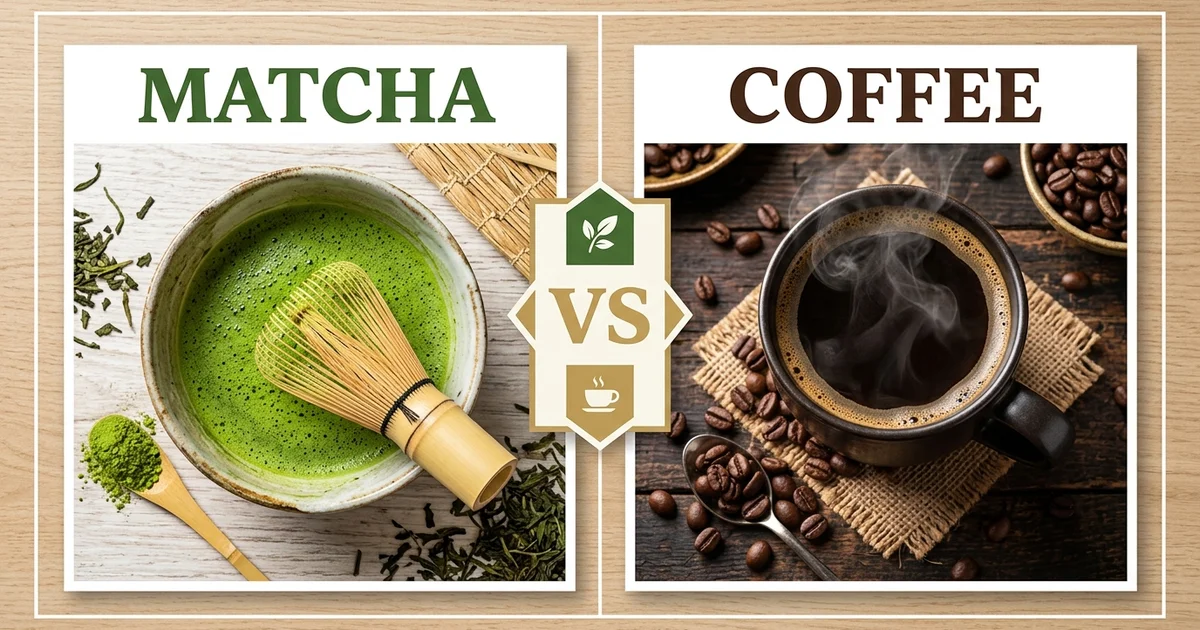
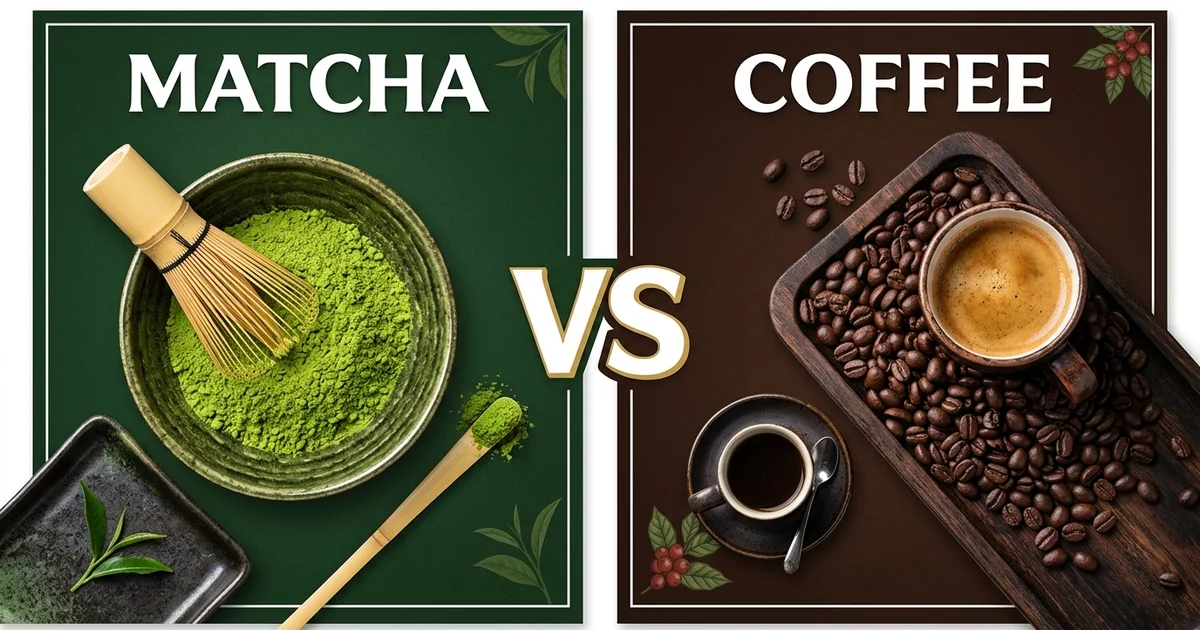
Your morning cup is doing more to your brain and body than you think. The caffeine in matcha vs coffee works through different mechanisms, hits different timelines, and produces different side effects. Choosing between them isn't just about taste. It's about what kind of energy you actually need.
Both drinks contain caffeine. Both will wake you up. But the way they deliver that alertness, and how long it lasts, couldn't be more different. Here's what the science says about caffeine in matcha vs coffee.
Key Takeaways
- Coffee delivers 95–200 mg of caffeine per cup; matcha delivers 38–176 mg depending on serving size and grade.
- Matcha contains L-theanine, an amino acid that smooths out caffeine's effects and promotes calm focus.
- Coffee triggers a sharper cortisol spike, which can lead to jitters and an afternoon crash.
- If you want sustained cognitive performance without the rollercoaster, understanding caffeine in matcha vs coffee helps you pick the right source for your goals.
The Numbers: Matcha Caffeine Content vs. Coffee
Any honest coffee vs matcha caffeine comparison starts with the milligrams.
An 8-ounce cup of brewed coffee contains roughly 95 to 200 mg of caffeine, with a 2020 study finding the average sits around 150.5 mg. That number shifts based on bean variety, grind size, and brew method. A single espresso shot packs about 63 mg into just one ounce.
Matcha is more variable. According to Healthline, matcha contains 19 to 44 mg of caffeine per gram of powder. A standard serving is 2 to 4 grams (roughly half a teaspoon to a full teaspoon), putting a typical cup somewhere between 38 and 176 mg. Ceremonial-grade matcha tends to land on the higher end. This range is why matcha caffeine content vs coffee comparisons can be tricky to pin down.
| Drink | Serving Size | Caffeine (mg) |
|---|---|---|
| Brewed Coffee | 8 oz | 95–200 |
| Espresso | 1 oz (single shot) | ~63 |
| Matcha (standard) | 2 g powder | 38–88 |
| Matcha (ceremonial) | 4 g powder | 76–176 |
So on paper, coffee usually wins the raw caffeine contest. A large Starbucks drip coffee can push well past 300 mg. A carefully whisked bowl of ceremonial matcha rarely exceeds 150 mg.
But raw milligrams don't tell the full story of caffeine in matcha vs coffee.
Why Caffeine in Matcha vs Coffee Feels So Different
You've probably heard someone say matcha gives them "calm energy." That's not marketing fluff. It's biochemistry.
Matcha contains L-theanine, an amino acid found in tea leaves that promotes alpha brain wave activity. Alpha waves are associated with a state of relaxed alertness, the mental gear you're in during deep focus or meditation. Matcha contains roughly 20–50 mg of L-theanine per serving, with shade-grown ceremonial grades containing up to five times more than regular green tea.
A 2021 systematic review published in Cureus examined the combined effects of caffeine and L-theanine on cognition. The findings: the pairing improved attention, task-switching accuracy, and alertness compared to caffeine alone. L-theanine didn't just add to caffeine's effects. It reshaped them, reducing jitteriness while preserving the mental sharpness.
Coffee doesn't contain L-theanine. So the coffee vs matcha caffeine experience diverges sharply: coffee gives you caffeine's full stimulatory punch without a built-in counterbalance. That's why coffee often produces a sharper onset of energy followed by a steeper decline.
Think of it this way: caffeine is the accelerator. L-theanine is the steering wheel. Coffee gives you one without the other, and that distinction is central to the caffeine in matcha vs coffee debate.
The Cortisol Problem: Coffee vs. Matcha Caffeine
Here's where coffee takes a real hit in the caffeine in matcha vs coffee comparison.
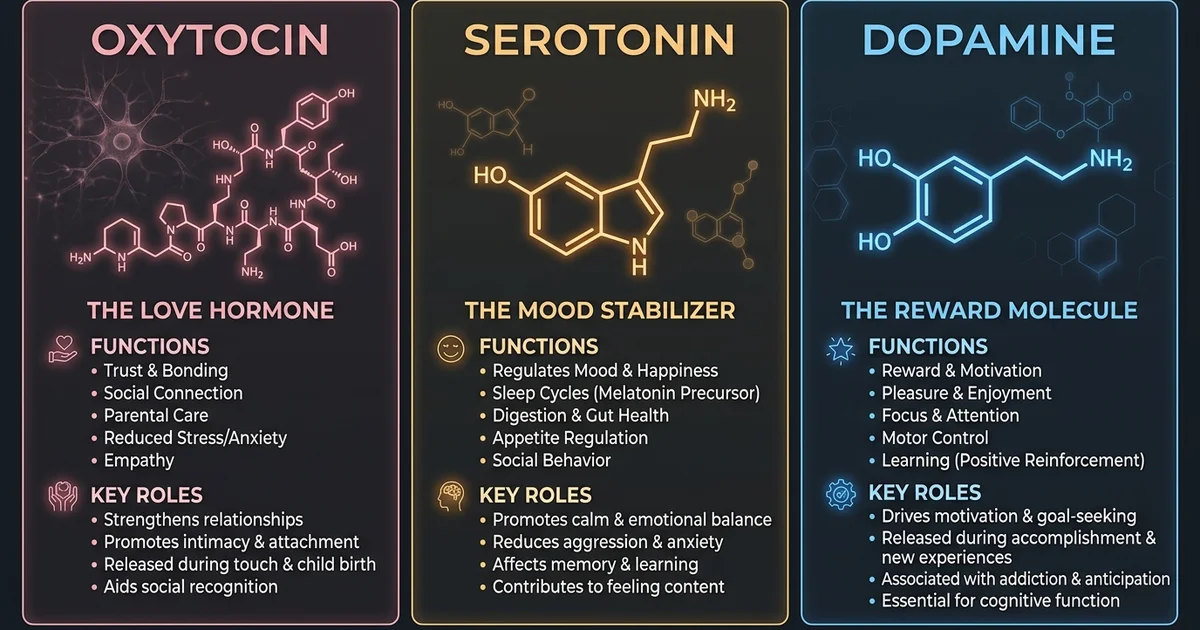
A comparative review presented at the 2025 ESPE/ESE Joint Congress, analyzing 15 studies and roughly 2,500 subjects, found that coffee caused the strongest cortisol increase among caffeinated beverages: 50% above baseline. Tea-based caffeine sources produced a much smaller hormonal response.
Cortisol is your body's primary stress hormone. In small doses, it's useful. It sharpens your senses and mobilizes energy. But chronic elevation from repeated cortisol spikes throughout the day leads to anxiety, disrupted sleep, and that wired-but-tired feeling you know too well.
This is the mechanism behind the classic coffee crash. The caffeine wears off, cortisol drops, and your body overcorrects. You feel worse than you did before the first sip.
Matcha's L-theanine content appears to buffer this response. By promoting alpha wave activity and modulating the stress response, matcha keeps the energy curve flatter and more sustained. This cortisol difference is one of the strongest arguments in the matcha vs coffee caffeine content discussion.
Matcha vs. Coffee Caffeine Content: Which Is Better for Focus?
It depends on what kind of focus you need, and understanding caffeine in matcha vs coffee helps clarify the answer.
If you need a fast, hard jolt for a 30-minute sprint, coffee is effective. The high caffeine dose hits quickly, peaks within 30 to 60 minutes, and gives you a narrow window of intense alertness. For quick tasks that don't require nuance, it works fine.
If you need 3 to 4 hours of steady concentration for deep work, writing, coding, or studying, matcha's caffeine-plus-L-theanine profile is better suited to the task. The energy onset is gentler, the peak is lower but wider, and the decline is gradual rather than abrupt. You're less likely to hit that 2 p.m. wall where your brain just stops cooperating.
That said, both options share a limitation: caffeine tolerance. Your brain adapts to regular caffeine intake by upregulating adenosine receptors. Over days and weeks, the same dose produces less effect. You drink more. The crashes get worse. The cycle repeats.
This is the fundamental problem with relying on any single-ingredient caffeine source for daily cognitive performance, whether you've landed on the matcha or coffee side of the debate.
Beyond the Caffeine in Matcha vs Coffee Debate
The caffeine in matcha vs coffee comparison is useful, but it frames the question too narrowly. Both drinks are just caffeine delivery systems with different absorption profiles.
The real question is: what else is in the formula?
Matcha's advantage over coffee comes almost entirely from one compound, L-theanine. That single amino acid turns a stimulant into something closer to a nootropic. But matcha still has limitations. The matcha caffeine content vs coffee varies from cup to cup. The L-theanine dose depends on grade and preparation. And you're still building tolerance to caffeine over time.
The most effective cognitive performance stacks go beyond caffeine and L-theanine. They add compounds like theacrine and methylliberine, two purine alkaloids structurally related to caffeine that activate similar neural pathways without the same tolerance buildup. According to NutraIngredients, a study published in Cureus found that combining caffeine with theacrine and methylliberine improved speed, accuracy, and cognitive performance while reducing the jitteriness associated with caffeine alone. An earlier study covered by the same outlet reported that adding theacrine and methylliberine to a moderate 125 mg caffeine dose improved working memory, cognitive control, and reaction time consistency.
That's the principle behind Roon, a zero-nicotine sublingual pouch built on a stack of caffeine (40 mg), L-theanine, theacrine, and methylliberine. It delivers 4 to 6 hours of sustained focus without the cortisol spikes of coffee, the inconsistency of matcha, or the tolerance treadmill of caffeine-only products. For anyone tired of weighing caffeine in matcha vs coffee, Roon sidesteps the tradeoff entirely.
How to Choose Your Caffeine Source
Here's a quick framework for anyone still deciding between coffee vs matcha caffeine, or something else altogether:
| Factor | Coffee | Matcha | Roon |
|---|---|---|---|
| Caffeine per serving | 95–200 mg | 38–176 mg | 40 mg |
| L-Theanine | No | Yes (20–50 mg) | Yes |
| Theacrine + Methylliberine | No | No | Yes |
| Onset time | 15–30 min | 30–45 min | ~5 min (sublingual) |
| Duration | 1–3 hours | 3–4 hours | 4–6 hours |
| Jitters/Crash risk | High | Low | Minimal |
| Tolerance buildup | Yes | Yes | Reduced |
If you enjoy the ritual of coffee or matcha, keep drinking them. But if your goal is reliable, repeatable cognitive performance, the caffeine in matcha vs coffee question is only one variable. The supporting cast matters just as much.
READY TO UNLOCK YOUR FOCUS?
Subscribe for exclusive discounts and more content like this delivered to your inbox.