DESIGNING THE LIMITLESS PILL: A SPECIFICATION FOR THE IDEAL DAILY NOOTROPIC
Roon Team

Designing the Limitless Pill: A Specification for the Ideal Daily Nootropic
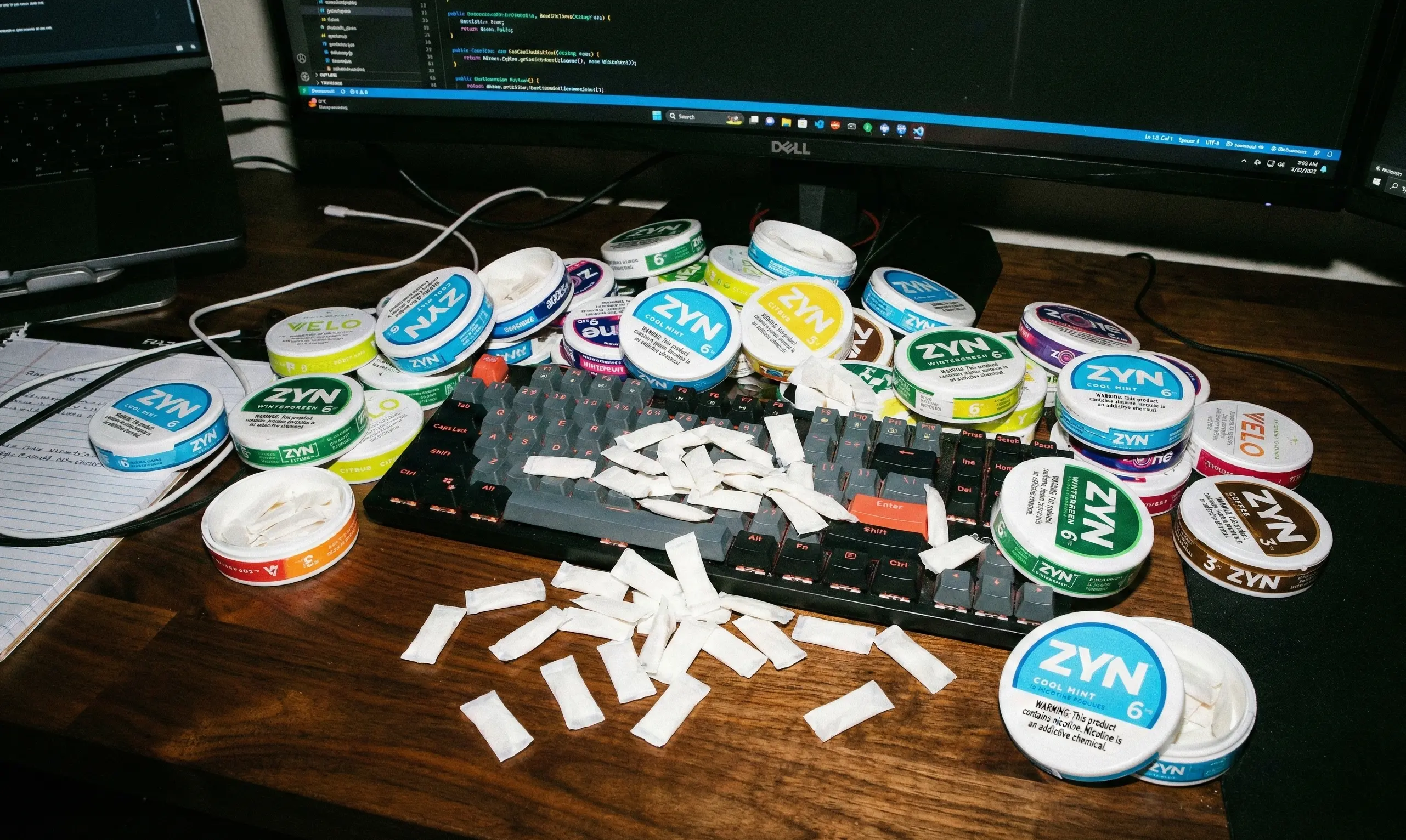
In our previous posts, we explored why we're building a daily nootropic and the Zyn trap that's ensnared so many knowledge workers looking for an edge.
This post is about something different: the target we're aiming at. Everyone understands the concept of a "Limitless pill" vaguely—the idea of a compound that makes you smarter, sharper, better. But surprisingly, there's no single resource that actually specifies what that would mean. What properties would the ideal daily nootropic actually have?
So we wrote one. What follows is a full specification for the Limitless pill, even if no existing compound comes close to checking every box.
Safety & Tolerability: The Non-Negotiables
This comes first because it's the constraint that eliminates most candidates before you even get to efficacy.
The ideal daily nootropic needs to be safe for both acute and chronic use. That means no accumulation of toxic metabolites, no organ stress, no carcinogenicity signal, no reproductive or developmental toxicity. It needs a wide therapeutic window—the gap between an effective dose and a dangerous dose should be large enough that normal variation in absorption or metabolism doesn't put anyone at risk.
But safety is table stakes. The more interesting constraint is tolerability—can you take this every day without it degrading your quality of life in subtle ways? Nicotine fails here spectacularly, as we covered in our last post: tolerance builds, withdrawal punishes you for stopping, and you've traded freedom for function.
The ideal compound would have none of this. No addiction liability. No tolerance buildup requiring dose escalation. No withdrawal symptoms upon cessation. You should be able to use it daily for months, then stop cold turkey and feel... fine. Maybe you miss the benefits, but your brain shouldn't punish you for stopping.
It should also play well with the rest of your life. Safe with moderate alcohol. No dangerous interactions with common medications—SSRIs, stimulants, blood pressure meds. No peripheral side effects: no cardiovascular stress, no GI disturbance, no visual disturbances or tinnitus or headaches. The goal is something you forget you're taking, except for the fact that you're thinking more clearly.
Cognitive Effects: What "Enhancement" Actually Means
What do we actually want a nootropic to do?
Working memory enhancement is near the top of the list. Working memory is your mental scratchpad—the ability to hold multiple pieces of information in mind simultaneously while manipulating them. It's what lets you follow a complex argument, debug code, or have a conversation where you remember what someone said at the beginning while formulating your response. Most demanding cognitive work is bottlenecked by working memory.
Sustained attention is closely related but distinct. This is the ability to maintain focus on a task over time without your mind wandering. It's less about peak capacity and more about consistency—not losing your thread every few minutes.
Processing speed matters, especially as we age. How quickly can you take in information, manipulate it, and produce output?
But raw cognitive horsepower isn't everything. Verbal fluency—the ability to retrieve the right words at the right time—matters for communication. Enhanced creativity and divergent thinking matter for any work that isn't purely mechanical. Improved learning rate and memory consolidation matter if you're trying to acquire new skills or knowledge.
The ideal compound would enhance all of these. In practice, there are probably tradeoffs. But this is the target.
Subjective Experience: Palpable and Sustained
The ideal nootropic would have rapid onset. You should feel something within 15-30 minutes. This isn't just about impatience—it's about the feedback loop. If you can't tell whether something is working, you can't calibrate your usage. Fast onset also enables the ritual aspect that makes nicotine pouches so effective: you put it in, you feel it, you know it's time to focus.
But rapid onset isn't enough. You also need sustained duration—ideally covering a full workday without redosing. And the offset needs to be smooth. No crash. No rebound. Just a gradual return to baseline.
The ideal nootropic should feel natural, not "drugged" or artificial. You shouldn't feel like a different person, or like you're running on foreign software. You should feel like yourself, but clearer—more access to your own capabilities, not replacement of them. Some compounds produce focus that feels compelled rather than chosen. You're productive, but it doesn't feel like your productivity. This is psychologically destabilizing over time.
Facilitated flow states. Flow—the state of complete absorption in a task where time disappears and effort feels effortless—is one of the most valuable experiences in cognitive work. The ideal compound would make flow more accessible, lowering the activation energy required to enter it.
No dissociation between felt performance and actual performance. Some compounds make you feel sharper while actually making you worse. Others make you feel dull while actually improving your output. Neither is ideal. You want accurate feedback from your own experience. You should still be able to tell when you're wrong, when your reasoning is weak, when you need to check your work. Compounds that increase confidence without increasing competence are actively dangerous.
Social and Emotional: Enhancement Without Alienation
This is where a lot of nootropics and stimulants fail in ways that are hard to measure but easy to feel.
Many focus-enhancing compounds make you want to withdraw, to avoid interaction, to resent interruptions. The ideal compound would actually make you better at engaging with others, not worse—anxiolytic without sedation. Reduced anxiety is one of the most valuable effects a nootropic could have, but most anxiolytic compounds also make you sleepy or cognitively dulled. The ideal compound would calm the nervous system without suppressing it.
Pro-motivation and drive. This is distinct from focus. Focus is the ability to sustain attention on a task; motivation is the desire to engage with the task in the first place. Some compounds improve focus while sapping motivation, which is worse than useless.
Mood-brightening without euphoria. A subtle lift in mood is valuable; euphoria is a warning sign. Euphoria indicates the compound is hitting reward circuitry hard, which is the fast track to addiction. You want to feel good, not high.
And critically: preserved emotional range and authenticity. You should still feel like yourself. Some compounds flatten affect in ways that technically reduce anxiety but also reduce the capacity for joy, connection, or meaning. That's not enhancement; it's a trade-off.
Minimal Motor, Perceptual, and Physical Side Effects
Some cognitive enhancers improve focus at the cost of physical side effects that are easy to ignore until they become problems.
The ideal nootropic should preserve or enhance fine motor control. No negative impact on reaction time—some compounds that feel like they improve focus actually slow you down when measured objectively. No tremor, a common side effect of stimulants and a sign you're overstimulating the nervous system.
The compound should be synergistic with physical exertion. If you can't use it on days you're going to the gym, its utility is significantly limited.
Doesn't disrupt sleep architecture. This eliminates most stimulants for afternoon use. If you can't take something after 2 PM without it affecting your sleep, its utility is cut in half. In fact, the ideal compound should enhance sleep.
Long-term Profile: The Horizon That Matters
Most nootropic users think in terms of today's dose. But what happens over months and years matters more.
Positive effects that persist after cessation would be remarkable. If a compound actually built lasting cognitive capacity rather than just temporarily boosting it, that would change everything. Some evidence suggests certain compounds have this property—neuroplasticity-enhancers that create durable changes—but the evidence is still thin.
Neuroprotective. The compound shouldn't just enhance function; it should protect the brain from age-related decline, oxidative stress, and other insults. Enhancement that comes at the cost of accelerated aging is no bargain.
Cumulative benefits with continued use. Rather than tolerance (needing more to get the same effect), the ideal would be potentiation (getting more effect over time as the compound's mechanisms take fuller hold).
No rebound cognitive deficits. When you stop taking it, you shouldn't be worse off than you were before you started. Many compounds that seem to enhance actually borrow against the future, leaving you in a hole when you quit.
Regulatory and Manufacturing: Making This Real
Finally, the constraints that determine whether something can actually exist as a product.
Not a controlled substance. This eliminates many interesting compounds immediately. Even if something works brilliantly, if it's Schedule II or III, it's not going to be a daily nootropic for the mass market.
Manufacturable at scale with consistent purity. Some promising compounds are hard to synthesize, have multiple stereoisomers with different effects, or require extraction processes that can't guarantee batch-to-batch consistency.
Shelf stable. Clear dose-response relationship—you should be able to find a dose that works and stick with it, not navigate a complex landscape where a little more or less dramatically changes the effect.
The Gap Between Ideal and Achievable
None of this exists. No single compound checks all these boxes. The Limitless pill from the movie is fiction.
But having a specification matters. It tells you what to optimize for. It tells you what trade-offs you're making when you choose one compound over another. It lets you evaluate cand...
READY TO UNLOCK YOUR FOCUS?
Subscribe for exclusive discounts and more content like this delivered to your inbox.