SOBER CURIOUS DRINKS: WHAT YOU NEED TO KNOW BEFORE YOU ORDER
Roon Team
Sober Curious Drinks: What You Need to Know Before You Order
Nearly half of Americans plan to drink less alcohol in 2025, and the market for sober curious drinks has never been stronger. That's not a typo. According to an NCSolutions survey, 49% of Americans said they intend to cut back this year, a 44% jump from 2023. The sober curious drinks market has exploded alongside that shift, and what's available now barely resembles the sad O'Doul's your uncle nursed at Thanksgiving in 2005.
Whether you're doing a full reset, testing the waters with drinks for Dry January, or just tired of waking up foggy on a Tuesday, the options are better than they've ever been. But more options also means more confusion. Not every "alcohol alternative" is created equal, and some of them are just sugar water with good branding.
Here's what actually matters.
Key Takeaways:
- The sober curious movement is mainstream, not niche. One in three Americans participated in Dry January in 2025.
- Sober curious drinks now span six major categories, from NA beers to functional adaptogens.
- Not all alcohol alternatives are "healthy." Sugar content, functional ingredients, and what you're actually replacing matter.
- The best approach combines social drink swaps with daily cognitive support.
The Numbers Behind the Sober Curious Drinks Movement
This isn't a fad diet. It's a demographic shift.
Circana's 2025 alcohol survey found that 30% of Americans participated in Dry January in 2025, a 36% increase from the previous year. Gen Z is leading the charge. According to NCSolutions data, 52% of Gen Z consumers say they're actively trying to reduce their alcohol intake.
The reasons vary. Some cite health. Some cite mental clarity. Some just don't like how alcohol makes them feel the next day. A Pew Research Center report found that among drinkers who've heard about recent studies linking alcohol to health risks, 41% plan to reduce how much they drink.
And the science backs them up. Johns Hopkins researchers noted that participants in Dry January studies "often see lower blood pressure, better energy, stronger concentration, and reduced anxiety within a few weeks."
The market has responded. The U.S. non-alcoholic beverages market is projected to grow from $178 billion in 2025 to $247 billion by 2032, according to Fortune Business Insights. That growth is fueled directly by demand for sober curious drinks across every category.
The Six Categories of Sober Curious Drinks
Not all alcohol-free drinks serve the same purpose. Some replace the taste. Some replace the ritual. Some replace the feeling. Here's how the current market of sober curious drinks breaks down.
1. Non-Alcoholic Beer
The category that started it all, and the one that's improved the most. Brands like Athletic Brewing and BERO (founded by Tom Holland) use traditional brewing methods with alcohol removed post-fermentation. The result tastes like actual beer, not flavored water. For many people exploring sober curious drinks, NA beer is the easiest entry point.
Best for: Beer drinkers who miss the ritual of cracking one open after work.
Watch out for: Calorie counts. Some NA beers still pack 80-100 calories per can, which adds up fast.
2. Non-Alcoholic Wine and Sparkling Wine
Dealcoholized wines from brands like Fre and Freixenet Alcohol Removed have gotten dramatically better. The sparkling options, in particular, work well at events where you want something in a flute. They're also among the most popular drinks for Dry January, since wine drinkers tend to miss the ritual most.
Best for: Social occasions, dinners, celebrations.
Watch out for: Residual sugar. Removing alcohol from wine often leaves a sweeter profile. Check the label.
3. Non-Alcoholic Spirits
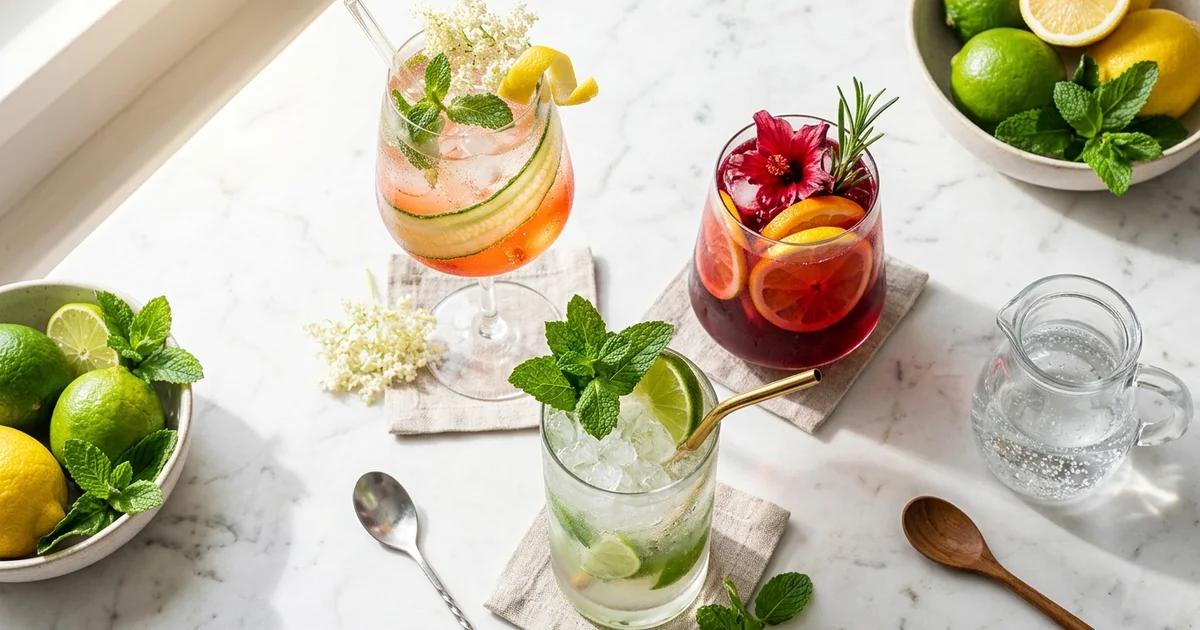
Zero-proof spirits like Ritual Zero Proof and CleanCo replicate the botanical complexity of gin, the warmth of whiskey, or the bite of tequila. You mix them the same way you'd mix the real thing. These sober curious drinks appeal most to people who enjoy the craft of cocktail-making.
Best for: Cocktail enthusiasts who enjoy the craft of mixing drinks.
Watch out for: Price. A bottle of NA spirit often costs as much as its alcoholic counterpart, sometimes more.
4. Ready-to-Drink Mocktails
Pre-mixed, canned mocktails from brands like Curious Elixirs and Ghia offer convenience without the bartending. They're designed to be grabbed from the fridge, not measured and shaken. As sober curious drinks go, RTD mocktails are the fastest-growing segment.
Best for: Convenience. Parties. Keeping something in the fridge for weeknights.
Watch out for: Added sugars and artificial flavors. Read the ingredients list, not just the front label.
5. Functional and Adaptogen Drinks
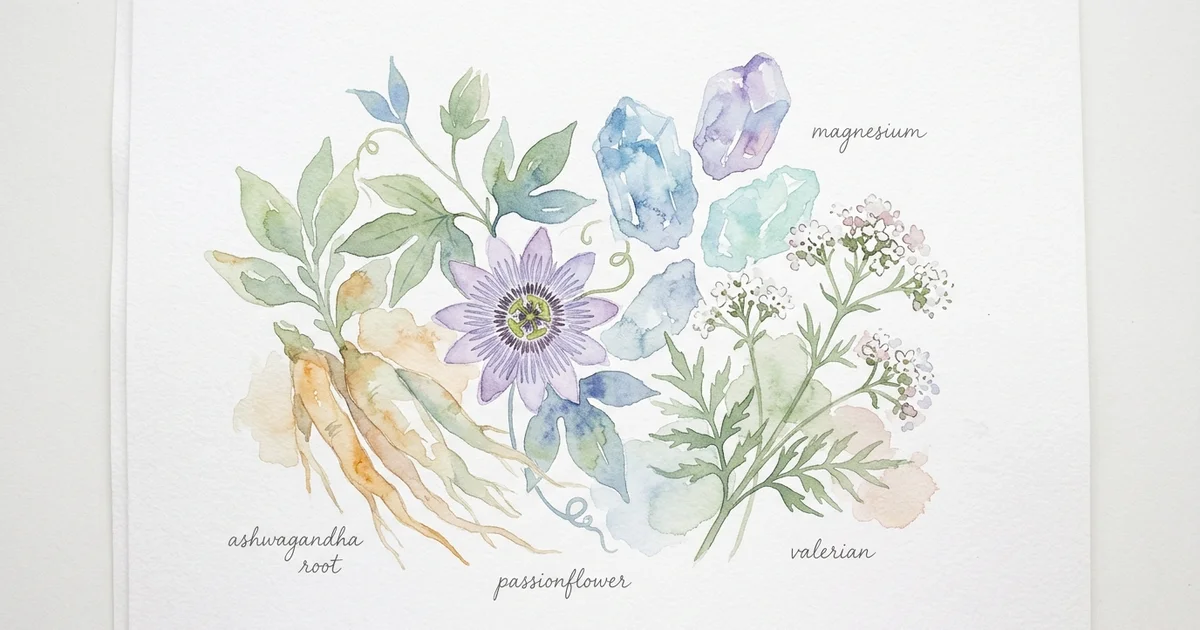
This is where sober curious drinks get interesting. Functional beverages go beyond mimicking alcohol. They contain adaptogens like ashwagandha, lion's mane, or reishi mushrooms, ingredients that are supposed to promote relaxation or focus without intoxication.
Best for: People who want to replace the feeling of alcohol, not just the taste.
Watch out for: Dosing. Many functional drinks contain "proprietary blends" that don't disclose how much of each ingredient is actually in the can. If a brand won't tell you the dose, that's a red flag.
6. Enhanced Water and Botanical Sodas
Brands like Olipop and Poppi have carved out space with prebiotic sodas. Others, like Recess, blend sparkling water with hemp extract and adaptogens. They're light, low-calorie, and designed for daily consumption. These lighter sober curious drinks work best as everyday habit replacements.
Best for: Replacing the habit of reaching for a drink, any drink, at the end of the day.
Watch out for: Marketing claims that outpace the actual ingredient amounts.
A Quick Comparison: Sober Curious Drink Categories
| Category | Replaces | Typical Price | Key Concern |
|---|---|---|---|
| NA Beer | Beer | $8-15/6-pack | Calories |
| NA Wine | Wine | $10-20/bottle | Sugar content |
| NA Spirits | Cocktails | $25-35/bottle | Price |
| RTD Mocktails | Mixed drinks | $3-6/can | Added sugars |
| Functional Drinks | The "feeling" | $4-8/can | Undisclosed dosing |
| Botanical Sodas | Soft drinks/habit | $2-5/can | Overstated claims |
Drinks for Dry January (and Beyond)
If you're specifically looking for drinks for Dry January, the strategy is slightly different than a long-term shift. You're working within a defined 31-day window, which means you need sober curious drinks that handle three specific scenarios.
The social scenario. You're at a bar or a dinner party. NA spirits mixed into a proper cocktail, or a canned mocktail, give you something to hold and sip that doesn't invite the "why aren't you drinking?" conversation.
The wind-down scenario. It's 7 PM on a Thursday. You'd normally pour a glass of wine. An adaptogen drink or botanical soda fills that ritual gap without the empty calories. These are the sober curious drinks that earn a permanent spot in your fridge.
The performance scenario. This is the one most Dry January guides miss entirely. A lot of people drink because they're mentally fried by the end of the day. Replacing alcohol without addressing the underlying fatigue just leaves you tired and bored. This is where cognitive support, clean stimulants and focus aids, becomes relevant. The best drinks for Dry January address the root cause, not just the habit.
Data from Oar Health's 2025 Dry January study showed that millennials (ages 29-44) are the most likely demographic to attempt Dry January, with just over half reporting they've tried it. The motivation isn't just "drink less." It's "feel sharper."
What to Actually Look For on Sober Curious Drinks Labels
The sober curious drinks market is still loosely regulated compared to alcohol. That means the burden of quality control falls on you. Here's what separates a good product from a dressed-up soda.
Transparent dosing. If a drink contains functional ingredients, the label should tell you exactly how many milligrams of each one. "Proprietary blend" is marketing language for "we'd rather you didn't know."
Low or zero added sugar. Some NA wines and mocktails pack 15-20 grams of sugar per serving. That's half a can of Coke. You didn't quit alcohol to start a sugar habit.
Actual research behind the ingredients. L-theanine, for example, has a solid body of peer-reviewed research supporting its role in promoting calm focus, especially when paired with caffeine. Ashwagandha has clinical data on stress response. "Superfood blend" does not.
Clean stimulant profiles. If a drink contains caffeine, check the amount. Forty milligrams gives you a smooth lift. Four hundred milligrams gives you heart palpitations and a strong opinion about everything.
The Bigger Picture: Sober Curious Drinks Are a Performance Decision
Here's what most articles about sober curious drinks get wrong. They treat the movement as a beverage preference. It's not. It's a performance decision.
The American Psychological Association covered the sober curious trend in early 2025, framing it as a broader destigmatization of choosing not to drink. The shift isn't driven by morality or willpower. It's driven by people who realized that alcohol was costing them more than money. It was costing them sleep quality, next-day focus, and compounding cognitive performance over time.
That realization changes what you look for in sober curious drinks. You're not just looking for something that tastes like a cocktail. You're looking for something that actively supports the mental clarity you gained by putting the drink down in the first place.
Clean Focus for the Sober Curious
If you've read this far, you probably care about more than just swapping one can for another. You care about what's in it, how it works, and whether it actually does anything. That puts you beyond the typical sober curious drinks shopper and into the category of someone optimizing their inputs.
Roon was built for exactly this mindset. It's a zero-nicotine sublingual pouch with a precise stack of Caffeine (40mg), L-Theanine, Theacrine, and Methylliberine, designed to deliver 4-6 hours of sustained focus without jitters, crashes, or tolerance buildup. No sugar. No alcohol. No guessing about what's inside.
It's not a mocktail. It's not trying to taste like something it isn't. It's a clean cognitive tool for people who've already decided that what they put in their body should make them sharper, not slower.
The sober curious drinks movement keeps growing because people keep feeling better when they drink less. Roon fits that philosophy. Clean ingredients, transparent dosing, and a product that does exactly what it says on the label.
READY TO UNLOCK YOUR FOCUS?
Subscribe for exclusive discounts and more content like this delivered to your inbox.