ORAL FIXATION NECKLACE: WHAT YOU NEED TO KNOW BEFORE YOU BUY ONE
Roon Team
Oral Fixation Necklace: What You Need to Know Before You Buy One
You chew pen caps. You gnaw on hoodie strings. You've demolished the collar of more than one shirt. If any of that sounds familiar, you've probably already Googled "oral fixation necklace" looking for something, anything, that gives your mouth a job without destroying your wardrobe.
The oral fixation necklace has exploded in popularity over the past few years, especially among adults with sensory processing differences, anxiety, or a stubborn need to keep their jaw busy. But do these necklaces actually work? And more importantly, are they the best solution for what's really going on?
Here's what the science says, what the products actually deliver, and what you might be overlooking.
Key Takeaways
- Oral fixation necklaces (also called "chewelry") are wearable silicone pendants designed for safe, discreet chewing.
- They're most commonly used by people with ADHD, autism spectrum conditions, anxiety, or those quitting nicotine.
- While an oral fixation necklace addresses the physical urge to chew, it doesn't deliver any active cognitive or calming ingredients.
- The oral fixation itself isn't the problem. It's a signal. The real question is what you pair with it.
What Is an Oral Fixation Necklace?
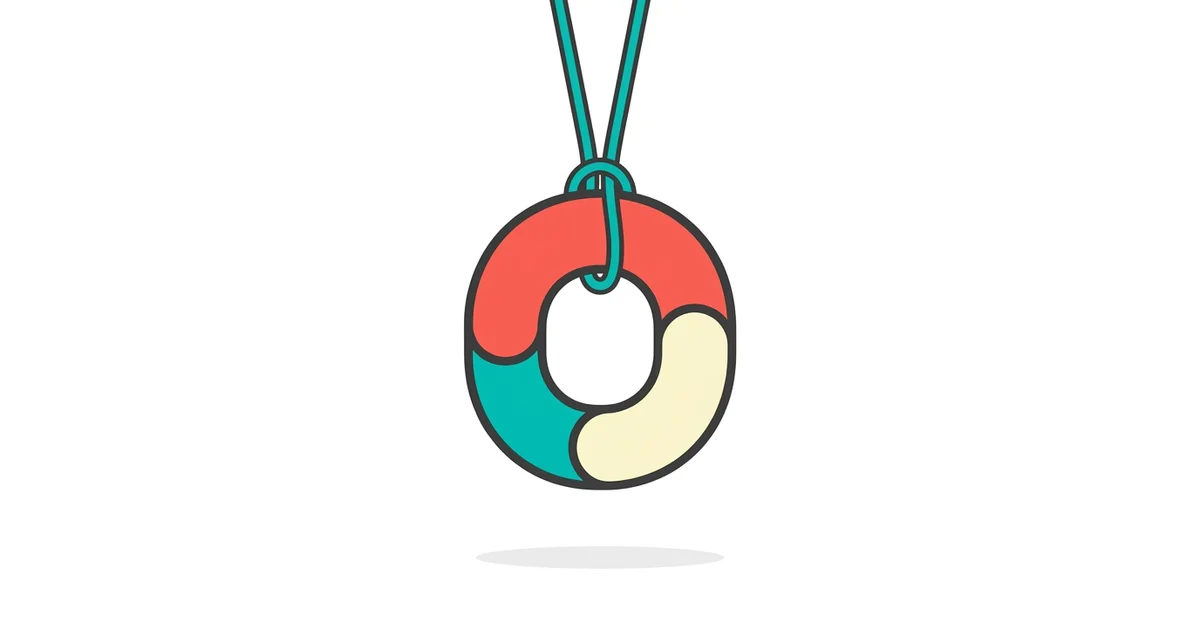
An oral fixation necklace is a piece of chewable jewelry, usually a pendant made from food-grade silicone, that hangs on a breakaway cord around your neck. The concept is simple: instead of chewing on pens, fingernails, shirt collars, or cigarette filters, you chew on something purpose-built for it.
The market has grown well beyond children's products. Companies like ARK Therapeutic now sell discreet, adult-styled chewelry in various shapes, textures, and firmness levels. Some look like geometric pendants. Others resemble dog tags or crystals. The goal of every oral fixation necklace is the same: give your mouth something to do without drawing attention in a meeting or a lecture hall.
Most are made from 100% food-grade silicone that's BPA-free, phthalate-free, and lead-free. They come in different toughness ratings, from soft (for light chewers) to extra-tough (for people who grind through material fast).
Why Do Adults Have Oral Fixations?
The term "oral fixation" traces back to Freud's theory of psychosexual development. <cite index="2-0">Freud felt that if an infant had difficulty during the oral stage regarding feeding or weaning, they would develop an oral fixation, manifesting as obsessive behaviors rooted in the mouth.</cite>
Modern psychology has moved past most of Freud's framework, but the behavioral pattern is real. <cite index="4-0,4-1">Oral fixations include habits like smoking, nail biting, and excessive alcohol use. According to Freud's theory of psychosexual development, children experience five psychosexual stages, including the oral stage.</cite> Whether or not you buy the Freudian explanation, the behaviors themselves are well-documented.
Here's what typically drives oral fixation in adults:
- Stress and anxiety: Repetitive oral behaviors (chewing, biting, sucking) activate the parasympathetic nervous system, which can reduce cortisol and promote calm.
- Sensory seeking: People with ADHD or autism spectrum conditions often need extra sensory input to regulate attention. Chewing provides strong proprioceptive feedback to the jaw, which can help with focus.
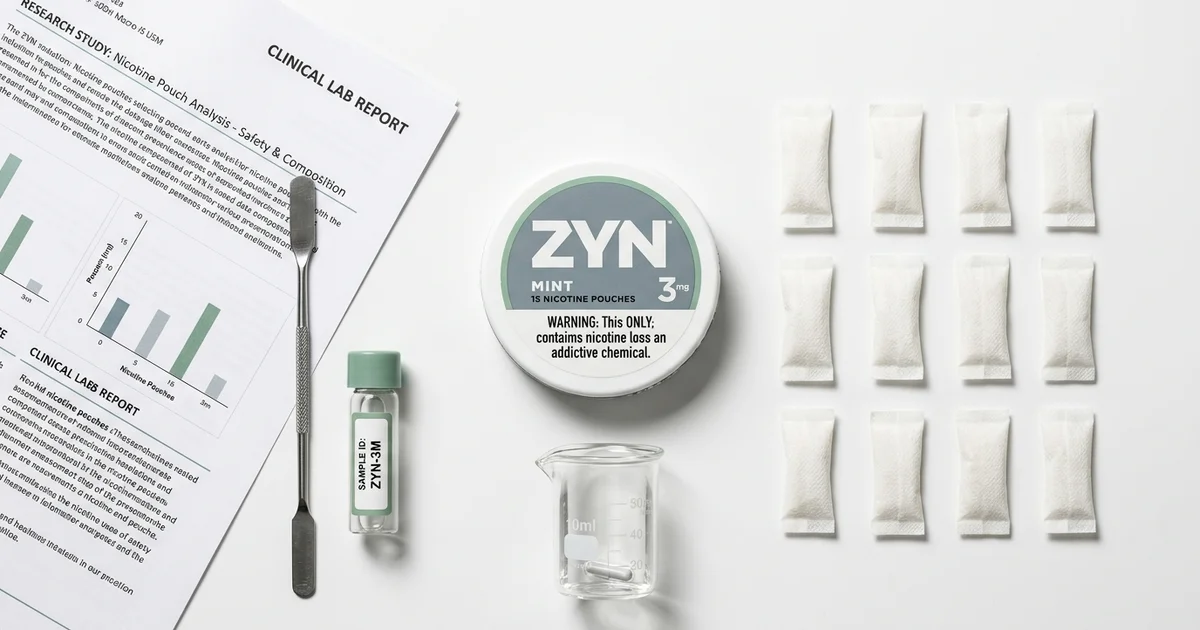
- Nicotine withdrawal: <cite index="6-0">One of the most common forms of oral fixation is smoking cigarettes or using nicotine pouches.</cite> When people quit, the hand-to-mouth habit and the need for oral stimulation persist long after the chemical dependency fades.
- Habit loops: Sometimes it's just a deeply wired habit. You started chewing pen caps in middle school, and now your brain expects oral input during concentration.
None of these causes are character flaws. They're neurological patterns. And understanding them matters, because the solution you choose, whether an oral fixation necklace or something else, should match the actual problem.
What an Oral Fixation Necklace Does Well
Credit where it's due: chewelry solves a real problem for a lot of people. Here's where these products genuinely shine.
They Redirect Destructive Habits
If you're chewing through shirt collars, grinding your teeth, or biting your nails to the quick, an oral fixation necklace gives you a safer outlet. That alone has value. Redirecting the behavior to a purpose-built tool protects your teeth, your clothes, and your cuticles.
They're Discreet
The best adult chewelry doesn't look like a chew toy. The Ability Toolbox highlights several small businesses making pendants that pass as normal jewelry. Some use matte black silicone shaped like hexagons or arrowheads. Unless someone picks up your oral fixation necklace and squeezes it, they'd never know.
They Provide Sensory Input
For people who need proprioceptive input to focus, the rhythmic compression of chewing can genuinely help with attention. A study published on ScienceDaily found that <cite index="5-0">previous research has shown that chewing gum can improve concentration in visual memory tasks.</cite> The mechanism likely applies to any form of repetitive chewing, including an oral fixation necklace, not just gum.
A review covered by Psychology Today noted that <cite index="9-0,9-1">though some research has concluded that chewing gum improves memory, concentration, sustained attention, and reduces stress, other research has found no such benefits. A recent systematic review of 21 studies found not a strong, but a statistically significant relation between chewing and sustained attention.</cite>
So the effect is real, if modest.
Where Oral Fixation Necklaces Fall Short
Here's the honest part that most product roundups skip.
They're Passive
An oral fixation necklace is a piece of silicone. It doesn't contain anything. No active ingredients, no adaptogens, no compounds that support focus or reduce stress at a biochemical level. You're getting mechanical input and nothing else.
That's fine if all you need is something to gnaw on. But if you're chewing because you're anxious, unfocused, or dragging through an afternoon slump, silicone alone won't address the root cause.
Durability Varies Wildly
Aggressive chewers can destroy a silicone pendant in days. The breakaway cords can snap. The material can develop grooves and tears that harbor bacteria if not cleaned regularly. You'll find reviews across Amazon and specialty retailers where heavy chewers cycle through oral fixation necklaces every few weeks.
They Don't Scale With Your Needs
An oral fixation necklace delivers the same experience on day one as it does on day 300. There's no way to adjust the intensity, add a calming agent, or get more out of it as your needs change. It's a fixed, single-function tool.
Oral Fixation Necklace vs. Other Oral Fixation Solutions
If you're evaluating your options, here's how the most common oral fixation tools compare:
| Solution | Oral Satisfaction | Active Ingredients | Discreet? | Durability | Cognitive Benefit |
|---|---|---|---|---|---|
| Oral Fixation Necklace | ✅ Strong | ❌ None | ✅ Moderate | ⚠️ Varies | ❌ None |
| Regular Gum | ✅ Moderate | ❌ None (unless caffeinated) | ✅ High | ❌ Single use | ⚠️ Minimal |
| Nicotine Pouches | ✅ Strong | ⚠️ Nicotine (addictive) | ✅ High | ❌ Single use | ⚠️ Short-term, with dependency |
| Toothpicks/Pen Caps | ⚠️ Weak | ❌ None | ❌ Low | ❌ Breaks easily | ❌ None |
| Functional Pouches (e.g., Roon) | ✅ Strong | ✅ Caffeine, L-Theanine, Theacrine, Methylliberine | ✅ High | ❌ Single use | ✅ 4-6 hours sustained focus |
The gap in this table tells the story. Most oral fixation tools, including the oral fixation necklace, address the mouth but ignore the brain.
Who Actually Benefits Most From an Oral Fixation Necklace?
Oral fixation necklaces work best for a specific set of people:
- Children and adults with autism or sensory processing differences who need consistent, durable oral input throughout the day.
- People in therapeutic settings where a clinician has recommended a sensory tool as part of a broader regulation strategy.
- Light chewers who just need something subtle to fidget with during meetings or study sessions.
If you fall into one of those categories, a well-made oral fixation necklace from a reputable brand is a solid choice. Look for medical-grade silicone, a breakaway clasp for safety, and a firmness level that matches your chewing intensity.
But if your oral fixation is tied to something bigger (afternoon brain fog, the post-nicotine void, the need to actually perform better and not just keep your mouth busy) then a piece of silicone jewelry is treating the symptom while ignoring the signal.
The Smarter Question: What If Your Oral Fixation Could Work for You?
Your brain craves oral input for a reason. It's seeking stimulation, regulation, or both. The instinct isn't wrong. The question is whether you're just pacifying it with an oral fixation necklace or actually answering it.
A 2019 study indexed on PubMed found that <cite index="6-0">chewing gum is thought to increase focus via a reduction in stress and anxiety.</cite> Now imagine pairing that oral satisfaction with ingredients that actually support sustained cognitive performance: caffeine for alertness, L-Theanine for calm focus, theacrine and methylliberine for extended energy without the crash.
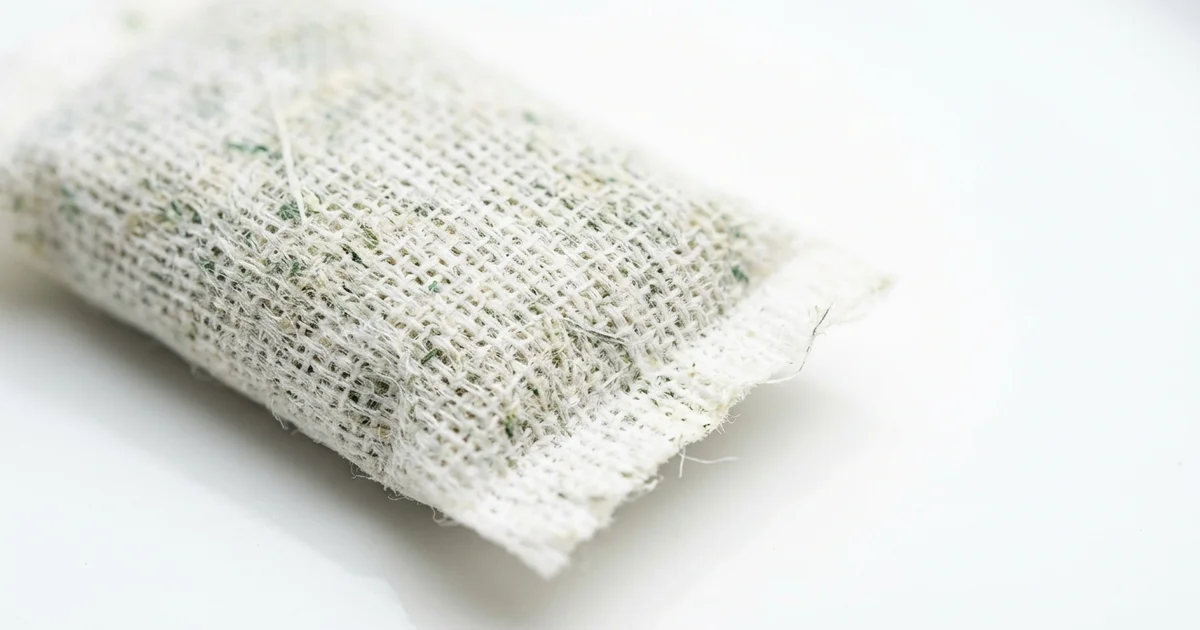
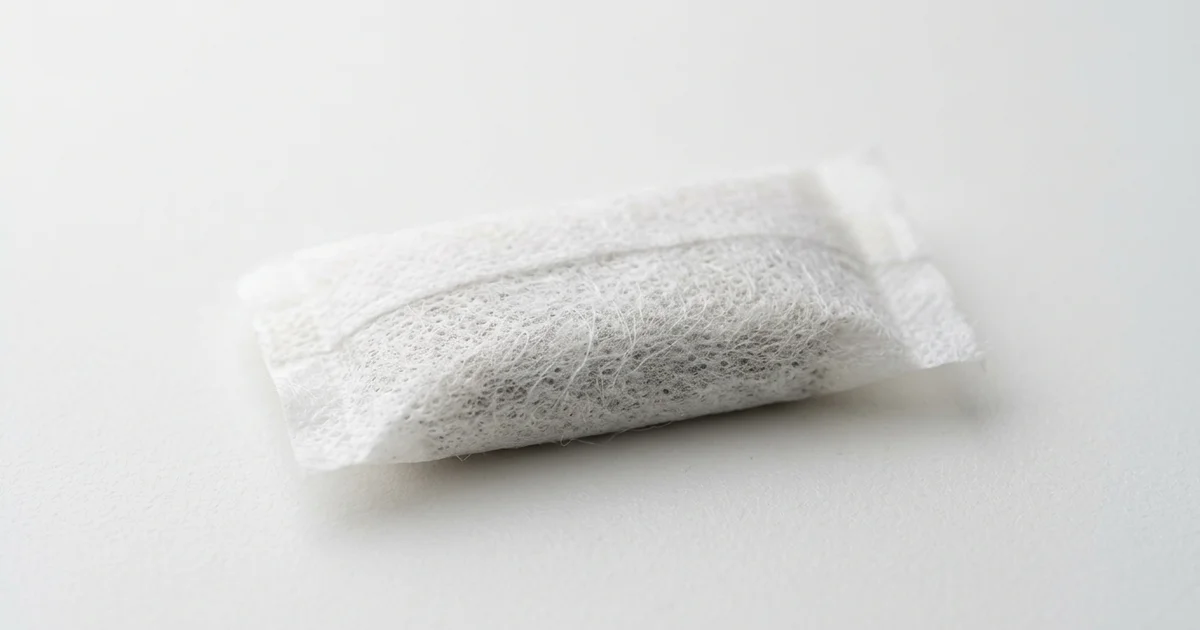
That's the idea behind Roon. It's a zero-nicotine sublingual pouch that sits between your lip and gum, satisfying the oral fixation while delivering a precise stack of cognitive performance ingredients. No silicone to chew through. No empty ritual. Just 4-6 hours of clean, sustained focus from a pouch that actually works for you.
If you've been looking at an oral fixation necklace, you already know your mouth needs a job. Roon gives it one worth doing.
READY TO UNLOCK YOUR FOCUS?
Subscribe for exclusive discounts and more content like this delivered to your inbox.