ENERGY POUCHES: WHAT YOU NEED TO KNOW BEFORE YOU BUY
Roon Team
Energy Pouches: What You Need to Know Before You Buy
Your morning coffee is cold. Your energy drink is flat and half-finished on your desk. And you still have four hours of deep work ahead of you. Energy pouches are the newest format in the caffeine category, and they're growing fast for a simple reason: they solve problems that drinks don't.
But not all energy pouches are the same. Some are just nicotine in a new wrapper. Others are caffeine-only. A few combine multiple active compounds designed to work together. The differences matter, and most buyers don't know what to look for.
This guide breaks down exactly how energy pouches work, what's in them, what separates the good ones from the mediocre ones, and who they're actually built for.
Key Takeaways
- Energy pouches deliver caffeine (and other active ingredients) through the lining of your mouth, bypassing the digestive system for faster onset.
- The category is split between nicotine-based pouches and nicotine-free alternatives built around caffeine, nootropics, or both.
- Ingredient stacking matters. A pouch with caffeine alone behaves very differently from one combining caffeine with L-Theanine, Theacrine, or Methylliberine.
- The caffeine energy pouch market is growing at roughly 6.1% CAGR through 2031, according to HTF Market Intelligence, driven by demand for portable, discreet energy formats.
What Are Energy Pouches, Exactly?
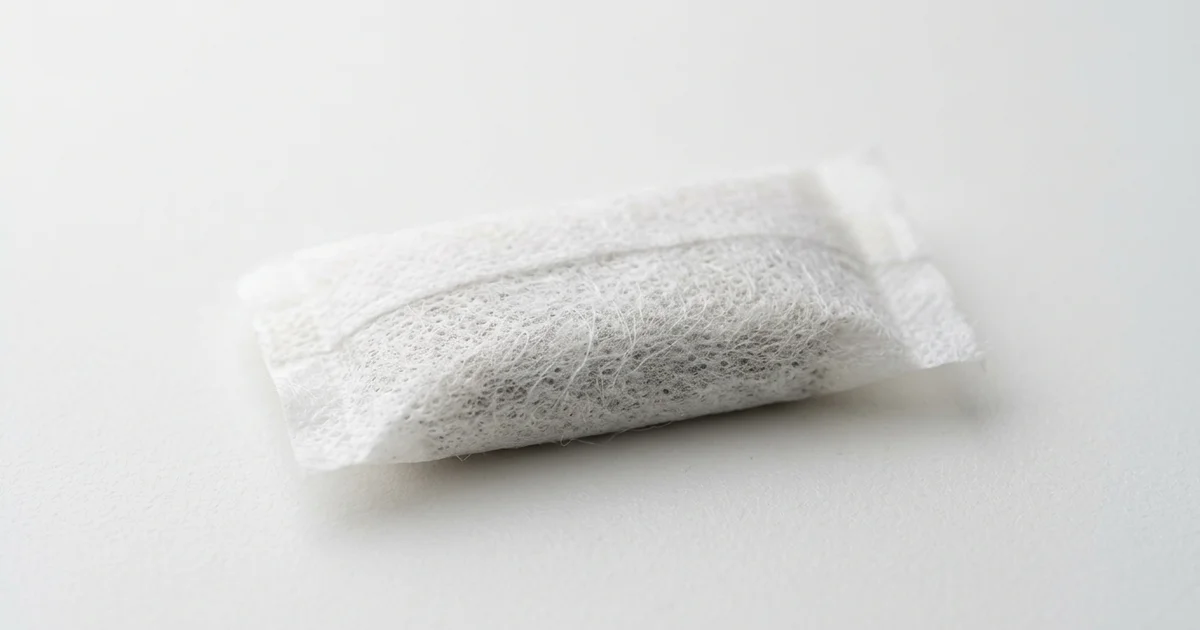
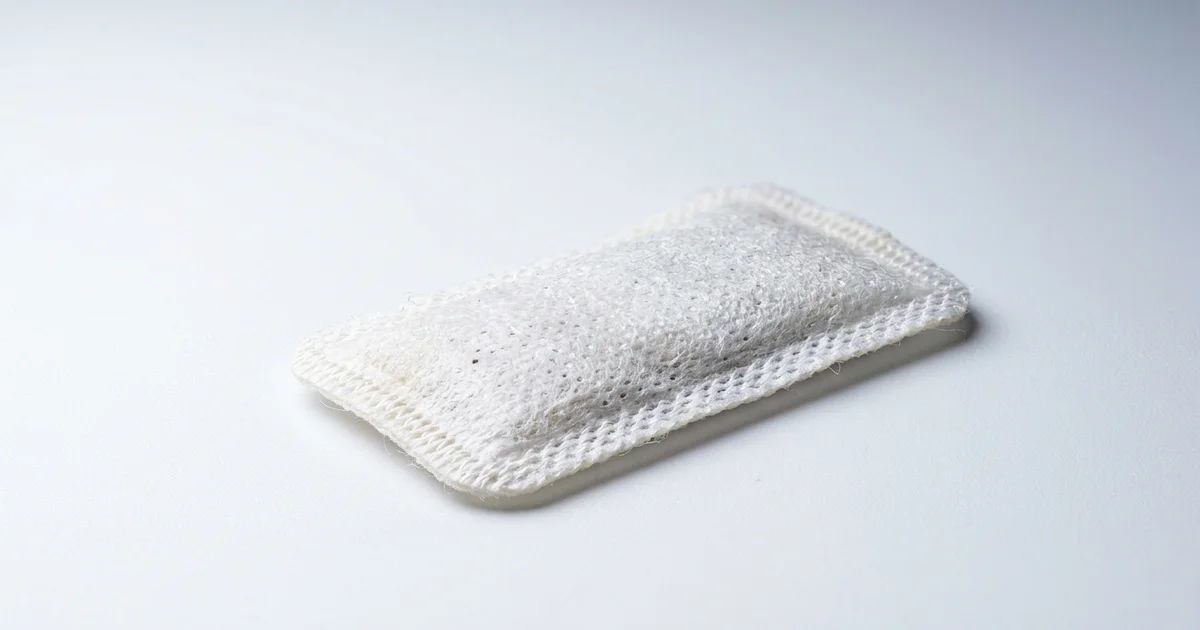
An energy pouch is a small, pre-portioned sachet you place between your upper lip and gum. The active ingredients absorb through the oral mucosa (the soft tissue lining your mouth) and enter your bloodstream directly.
This is called buccal or sublingual delivery, and it's the same mechanism used in certain pharmaceutical applications. A review published in PMC examined alternate forms of caffeine administration and found that non-oral routes, including buccal delivery, can alter the speed and efficiency of caffeine uptake compared to simply swallowing a pill or drinking coffee.
The practical result: you feel the effects faster, and you don't need a cup, a can, or a trip to the microwave.
Energy Pouches vs. Nicotine Pouches: A Critical Distinction
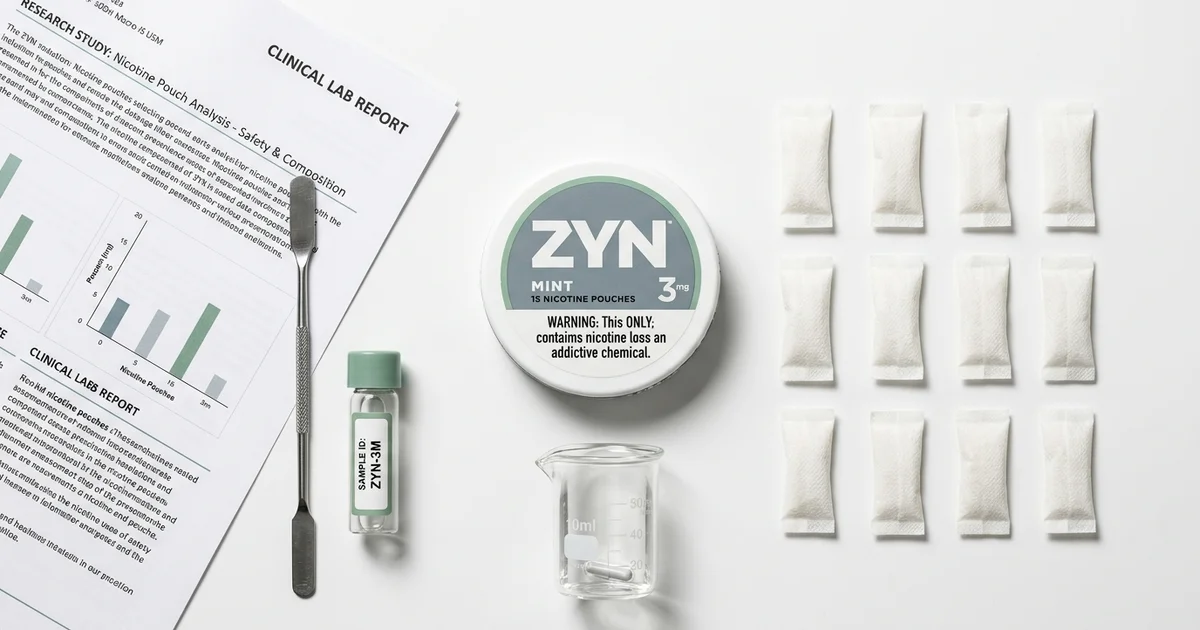
Here's where most people get confused. The pouch format became popular through brands like Zyn, which deliver nicotine. Energy pouches look almost identical, but the best ones contain zero nicotine.
Why does this matter? Because nicotine is addictive. It triggers a dopamine spike followed by a withdrawal trough, which is exactly the cycle that keeps people reaching for another pouch every 45 minutes. That's not performance. That's dependence.
Nicotine-free energy pouches use caffeine, amino acids, or nootropic compounds as their active ingredients instead. The goal is sustained cognitive performance without the dependency loop.
| Feature | Nicotine Pouches | Nicotine-Free Energy Pouches |
|---|---|---|
| Primary active | Nicotine (2-8mg) | Caffeine + nootropics |
| Onset time | 1-3 minutes | 5-15 minutes |
| Duration | 20-45 minutes | 1-6 hours (varies by formula) |
| Tolerance buildup | Yes, rapid | Depends on ingredients |
| Addiction risk | High | Low to none |
| Crash | Common | Depends on ingredients |
The table tells a clear story. Nicotine pouches hit hard and fade fast. Nicotine-free energy pouches, especially those with stacked ingredients, aim for a longer, smoother curve.
What's Inside an Energy Pouch? The Ingredients That Matter
Not every energy pouch is created with the same care. Some contain nothing but caffeine and flavoring. Others include a full nootropic stack. Here's a breakdown of the four ingredients worth paying attention to.
Caffeine
The baseline. Caffeine blocks adenosine receptors in the brain, which reduces the feeling of fatigue and increases alertness. Most energy pouches contain between 30mg and 150mg per serving.
For reference, a standard cup of coffee has about 95mg. A pouch with 40-50mg of caffeine delivers a more controlled dose, especially when paired with other compounds that extend and smooth out the effect.
L-Theanine
This amino acid, found naturally in tea leaves, is one of the most well-studied nootropic compounds available. A study published on PubMed found that combining L-Theanine with caffeine improved both speed and accuracy on attention-switching tasks, while also reducing susceptibility to distraction.
In plain terms: caffeine wakes you up, L-Theanine keeps you focused. The combination produces a state of alert calm, the feeling of being locked in without the jittery, scattered energy that caffeine alone can cause.
Theacrine
Theacrine is a purine alkaloid structurally similar to caffeine, found in the Kucha tea plant. It activates similar pathways (dopamine and adenosine signaling), but with one major advantage: research suggests it does not produce the same tolerance buildup that caffeine does.
A study on BioRxiv examining the effects of TeaCrine (theacrine) and Dynamine (methylliberine) alongside caffeine found that these compounds influenced measures of gaming performance, reinforcing the idea that they work through complementary, not identical, mechanisms.
That means you can use it consistently without needing to increase the dose to get the same effect. For anyone who has felt their morning coffee slowly losing its punch over months, that's a meaningful distinction.
Methylliberine
Methylliberine (branded as Dynamine) is a newer compound in the nootropic space. It's another purine alkaloid, and it works fast. A study published in the journal Nutrients found that methylliberine ingestion improved various indices of affect, including feelings of energy and focus, in healthy participants.
Its onset is quicker than theacrine, and it's often included in formulas to bridge the gap between the moment you place the pouch and the moment the longer-acting compounds kick in.
How Energy Pouches Compare to Other Caffeine Formats
You have options. Coffee, energy drinks, caffeine pills, gum, and now pouches. Each has trade-offs.
| Format | Caffeine Dose | Onset | Duration | Portability | Sugar |
|---|---|---|---|---|---|
| Coffee (8 oz) | ~95mg | 15-45 min | 3-5 hours | Low | Optional |
| Energy Drink (16 oz) | 150-300mg | 15-30 min | 2-4 hours | Medium | Often yes |
| Caffeine Pill | 100-200mg | 30-60 min | 4-6 hours | High | No |
| Caffeine Gum | 40-100mg | 5-15 min | 1-3 hours | High | No |
| Energy Pouch | 30-150mg | 5-15 min | 1-6 hours | High | No |
Energy pouches occupy a unique position. They're as portable as a pill but absorb faster. They don't require water, a mug, or refrigeration. And because the dose is controlled and consistent, you know exactly what you're getting every time, something you can't say about a pour-over that varies with grind size and brew time.
The format also solves a social problem. You can use a pouch in a meeting, on a call, or during a workout without anyone noticing. Try doing that with a 16-ounce can of Monster.
Who Are Energy Pouches For?
The short answer: anyone who needs to perform mentally and doesn't want the baggage that comes with most caffeine delivery systems.
Knowledge workers. If your job involves sustained concentration (writing, coding, analyzing, designing), a well-formulated energy pouch gives you a longer, cleaner window of focus than coffee alone.
Athletes and gym-goers. Pre-workout supplements are notoriously over-caffeinated and loaded with artificial ingredients. A pouch with 40-50mg of caffeine and a nootropic stack offers enough alertness for a training session without the 300mg caffeine bomb that leaves you wired at midnight.
Students. Study sessions demand sustained attention, not a spike-and-crash cycle. The combination of caffeine and L-Theanine is particularly well-suited to long reading or exam prep.
Anyone quitting nicotine. The oral fixation component is real. Having a pouch to place in your lip satisfies the behavioral habit while delivering a functional benefit instead of a dependency.
What to Look For (and What to Avoid)
Before you buy energy pouches, check the label. Here's what separates a quality product from a dressed-up caffeine pill in pouch form.
Look for:- A caffeine dose between 30-80mg. Higher isn't better. Precision matters more than potency.
- At least one complementary nootropic (L-Theanine, Theacrine, or Methylliberine). Caffeine alone is a one-trick ingredient.
- Transparent labeling with exact milligram dosages. If a brand hides behind "proprietary blend" without listing amounts, move on.
- Zero nicotine. Full stop.
- Pouches with 150mg+ of caffeine per serving. That's an anxiety attack in a sachet.
- Products that list nicotine alongside caffeine. Some brands do this. It defeats the purpose.
- Vague ingredient lists. If you can't tell what's in it, don't put it in your mouth.
- Artificial sweeteners in excessive quantities. A small amount for flavor is fine. A sugar-free candy in pouch form is not a performance product.
The Future of the Energy Pouch Category
The caffeine energy pouch market is expanding at a 6.1% CAGR as consumers move away from sugary energy drinks and toward more controlled, portable formats. That growth is being driven by a few clear trends.
First, health-conscious consumers are reading labels. They want to know exactly what they're putting in their bodies, and they're rejecting products with 50-gram sugar loads and mystery ingredient blends.
Second, the nootropic category is maturing. Five years ago, "nootropics" meant Silicon Valley biohackers taking unregulated stacks of powder. Today, compounds like L-Theanine and Theacrine have real clinical data behind them, and they're showing up in consumer-friendly formats.
Third, the nicotine pouch boom created infrastructure. Brands like Zyn normalized the pouch format, and now nicotine-free alternatives are filling the space for people who want the delivery mechanism without the addiction.
Meet Roon
If you've read this far, you already know what a good energy pouch should contain: a moderate caffeine dose, complementary nootropics, zero nicotine, and transparent labeling.
Roon is a sublingual pouch built on exactly that formula. Each pouch contains 40mg of caffeine, L-Theanine, Theacrine, and Methylliberine, a stack designed to deliver 4-6 hours of sustained focus without jitters, without a crash, and without the tolerance buildup that makes your morning coffee less effective over time.
No nicotine. No sugar. No guesswork.
If you're looking for a cleaner way to stay sharp, Roon is worth a look.
READY TO UNLOCK YOUR FOCUS?
Subscribe for exclusive discounts and more content like this delivered to your inbox.