GEN ALPHA ATTENTION SPAN: WHAT THE SCIENCE ACTUALLY SAYS
Roon Team
Gen Alpha Attention Span: What the Science Actually Says
The first generation born entirely inside the smartphone era is growing up, and the data on the gen alpha attention span is starting to look uncomfortable. These kids, born between 2010 and 2024, have never known a world without algorithmic feeds, one-tap entertainment, and dopamine-optimized content loops. They didn't choose this environment. But their brains are adapting to it in real time, and the gen alpha attention span is shrinking as a result.
And the adults trying to teach them, parent them, or simply hold a conversation with them can feel the difference.
Key Takeaways:
- Gen Alpha children spend an estimated 4+ hours per day on screens, with gaming time surging 65% in just four years.
- Short-form video platforms condition the brain's dopamine reward system to expect constant novelty, weakening the gen alpha attention span over time.
- The "8-second attention span" statistic is a myth, but the underlying trend of declining sustained focus is real and measurable.
- Attention is trainable. The neurochemistry behind focus can be supported through environment, habits, and targeted compounds.
Who Is Gen Alpha, and Why Does the Gen Alpha Attention Span Matter?
Gen Alpha is the demographic cohort following Gen Z. According to McCrindle Research, the group that coined the term, Generation Alpha includes those born from 2010 to 2024. Britannica defines them similarly as people born between 2010 and 2025, though exact boundaries vary by source.
By 2025, this generation is projected to number roughly 2 billion people worldwide. That makes them the largest generational cohort in human history. The oldest members are now teenagers. The youngest are still in diapers. All of them are growing up inside a media environment that previous generations couldn't have imagined.
Here's why the attention span of gen alpha matters beyond parenting blogs and teacher complaints: attention is the foundation of learning, decision-making, and self-regulation. If an entire generation is developing weaker attentional control, the downstream effects touch education, workforce readiness, mental health, and economic productivity.
This isn't alarmism. It's pattern recognition. And understanding the gen alpha attention span is the first step toward doing something about it.
The Screen Time Numbers Are Staggering
Let's start with the raw exposure data, because any honest discussion of the gen alpha attention span has to begin here.
A 2025 Common Sense Media census found that children ages zero to eight now average about 2.5 hours of daily screen time, with 40% of children owning a tablet by age 2 and nearly 1 in 4 having a personal cellphone by age 8. Gaming time among this age group has surged 65% in four years.
For older kids in the Gen Alpha bracket, the numbers climb fast. The American Academy of Child and Adolescent Psychiatry reports that children aged 8 to 12 spend an average of 4 to 6 hours per day on screens. A 2024 Common Sense Media report found that teens now average over eight hours of screen time per day, excluding homework.
And according to the Annie E. Casey Foundation's 2025 report, 80% of Gen Alpha parents are worried about excessive screen time, and 79% are specifically concerned about its impact on the gen alpha attention span.
The parents see it. The teachers see it. The research is starting to confirm it.
The "8-Second Attention Span" Is a Myth. The Real Problem Is Worse.
You've probably heard the claim: humans now have an attention span of 8 seconds, shorter than a goldfish. This stat traces back to a 2015 Microsoft Canada report that was widely cited by outlets like TIME Magazine.
The problem? The claim was never supported by Microsoft's own research. As multiple analyses have shown, the "8-second" figure had no clear scientific origin within the report. The goldfish comparison was essentially a marketing hook that went viral.
But dismissing the headline doesn't mean dismissing the trend, especially where the gen alpha attention span is concerned.
The real issue isn't that Gen Alpha can only focus for 8 seconds. It's that their capacity for sustained, voluntary attention, the kind required for reading a chapter book, following a lecture, or working through a complex problem, is being systematically eroded by the media environment they inhabit.
A scoping review published in ScienceDirect, examining studies from 2013 to 2023, found that excessive screen time was associated with concentration difficulties across children and young adults. A systematic review on PubMed examining the association between screen time and attention in children with typical development echoed these findings.
The distinction matters. Attention isn't a single metric with a fixed number. It's a set of cognitive skills, including selective attention, sustained attention, and executive control, that develop throughout childhood and adolescence. And those skills are shaped by what the brain practices doing. That's what makes the gen alpha attention span conversation so important: these cognitive skills are still forming.
How Short-Form Video Rewires the Gen Alpha Attention Span
Here's where the neuroscience gets specific.
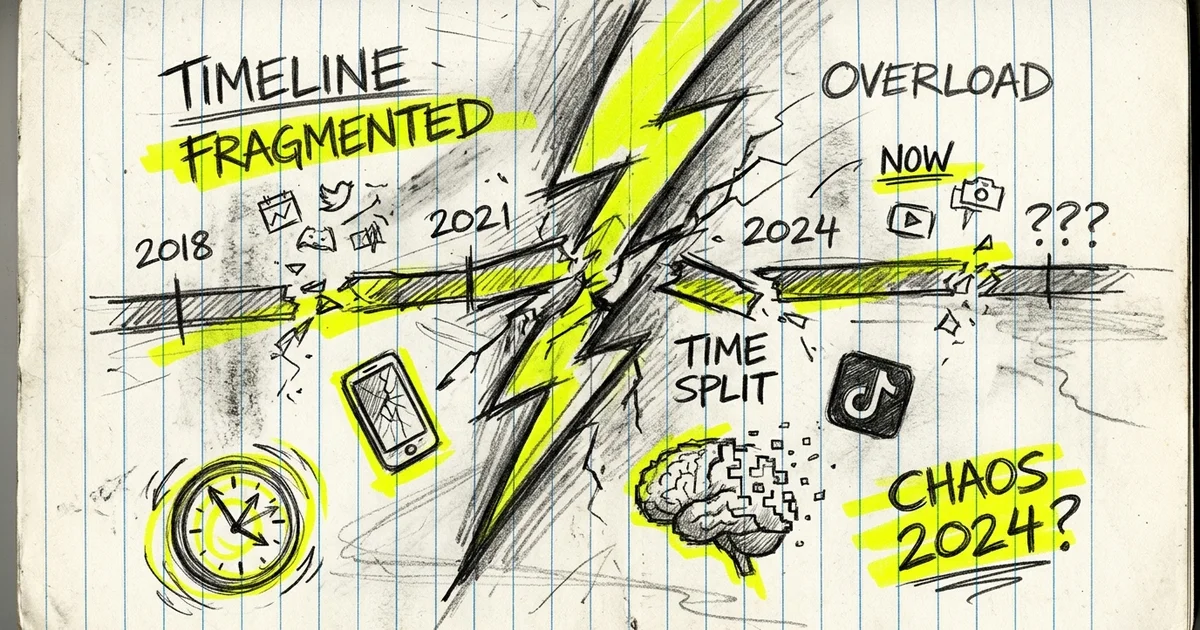
Platforms like TikTok, YouTube Shorts, and Instagram Reels are built around a simple loop: serve a short video, trigger a small dopamine release, then immediately serve another. Each swipe delivers novelty. Each video transition reinforces the pattern.
A 2023 study cited by Digital GEMs found that participants showed higher activity in the nucleus accumbens (which processes reward) and the ventral tegmental area (which produces dopamine) when watching short-form, personalized videos compared to longer content.
A narrative review covering 2019 to 2025 published on ResearchGate described the mechanism clearly: each video transition delivers a small dopamine release, creating a reinforcement loop that conditions users to seek constant novelty and immediate gratification. Over time, this reduces tolerance for slower, less stimulating tasks.
This is the core problem for the gen alpha attention span. Their brains are developing inside this loop. A child who spends hours daily in rapid-fire content consumption is training their dopamine system to expect constant stimulation. When the stimulation stops (say, during a math lesson or a dinner conversation), the brain registers it as boring. Not because the content is objectively dull, but because the baseline for "interesting" has been artificially inflated.
A PMC review on excessive screen time and child development confirmed that heavy screen media reliance raises serious concerns for cognitive, linguistic, and social-emotional growth. And a Frontiers in Psychology study found a positive association between child screen time at age 3.5 and inattention symptoms at age 4.5.
The pattern is consistent: more passive screen exposure in early childhood correlates with weaker attentional control, and the gen alpha attention span data reflects exactly this trajectory.
Gen Alpha Attention Span in the Classroom
Teachers are on the front lines of this shift, and they're not quiet about it.
A survey referenced by imfounder.com found that many teachers believe their students exhibit shorter attention spans and lower patience compared to earlier generations. This aligns with observations from Acacia Education, which noted that the attention span of gen alpha "isn't built for hour-long lectures" and that engagement drops sharply during long, passive sessions.
The educational implications are real:
- Reading comprehension suffers when students can't sustain focus through longer texts.
- Deep learning requires the ability to sit with confusion and work through it, a skill that atrophies without practice.
- Working memory, which is closely tied to attentional control, shows measurable deficits in children with high passive screen exposure.
The solution isn't to blame the kids. They're responding rationally to the environment they've been given. The solution is to understand the neurochemistry behind the gen alpha attention span and design better interventions.
The Neurochemistry of Attention (And Why It's Trainable)
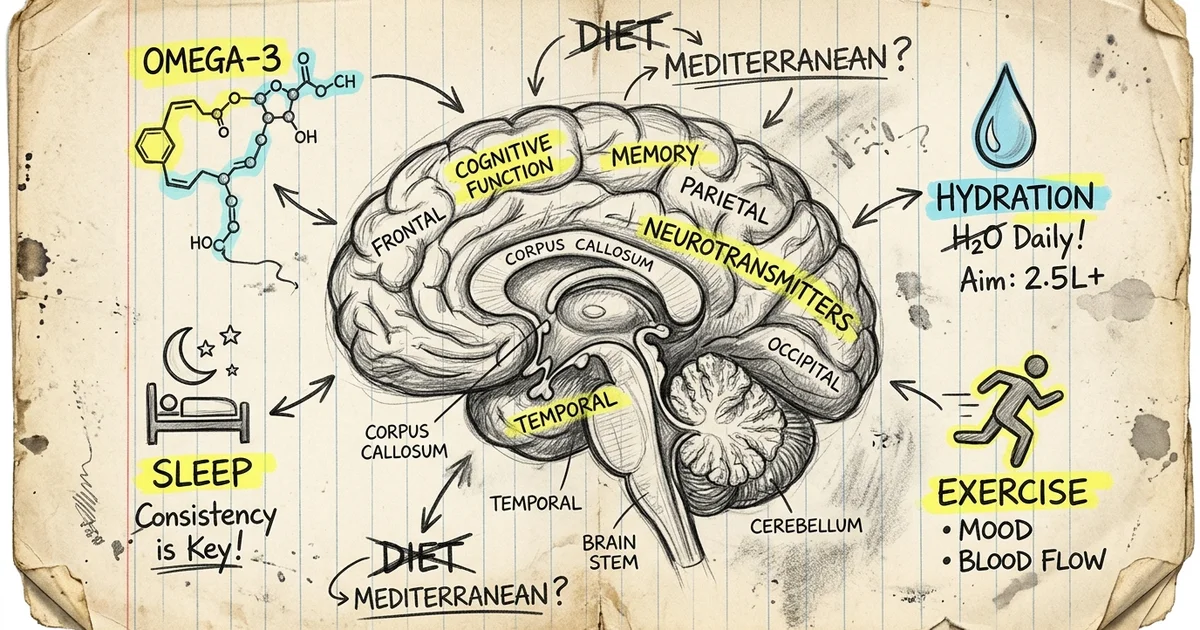
Attention isn't magic. It runs on specific neurochemical systems that can be understood, measured, and influenced. This is good news for anyone concerned about the gen alpha attention span, because trainable systems can be improved.
Adenosine and Fatigue
Adenosine builds up in the brain throughout the day, binding to receptors that promote drowsiness and reduce alertness. This is why focus degrades over time without rest. Caffeine works by blocking adenosine receptors, temporarily restoring alertness.
Dopamine and Motivation
Dopamine doesn't just create pleasure. It signals salience, telling the brain what's worth paying attention to. When dopamine signaling is dysregulated (by chronic overstimulation from screens, for instance), the brain struggles to assign importance to low-stimulation tasks. This is the neurochemical root of "everything feels boring," and it's central to why the gen alpha attention span keeps declining.
GABA and Calm Focus
GABA (gamma-aminobutyric acid) is the brain's primary inhibitory neurotransmitter. It quiets neural noise, reducing anxiety and mental chatter. Without adequate GABAergic activity, attention becomes scattered and reactive rather than controlled and deliberate.
The Interaction Effect
These systems don't operate in isolation. Sustained, productive focus requires a specific balance: enough dopamine to care, enough adenosine blockade to stay alert, and enough GABA modulation to filter out distractions.
This is why a single-ingredient approach to focus (like chugging coffee) often fails. You get the alertness, but without the calming, noise-reducing component, the result is jittery, anxious energy that scatters attention rather than sharpening it.
Research supports the multi-compound approach. A study published on PubMed found that 97 mg of L-theanine combined with 40 mg of caffeine helped participants focus attention during demanding cognitive tasks. A PMC study on L-theanine and caffeine reported increased speed on cognitive tasks, improved memory, and increased alertness when the two compounds were combined, with effects that weren't present when each was administered alone.
The combination works because L-theanine promotes alpha brain wave activity and modulates GABA, while caffeine handles the adenosine side. Together, they produce a state of calm alertness that neither achieves solo. These findings apply to anyone looking to reclaim focus, whether you're part of Gen Alpha or simply living in the same attention-hostile environment.
What You Can Actually Do About the Gen Alpha Attention Span
Understanding the attention span of gen alpha isn't just an academic exercise. Whether you're a parent, educator, or someone who simply wants to protect your own focus in an environment designed to fragment it, the playbook is straightforward.
For environment design:
- Remove phones from bedrooms and study spaces during focus periods.
- Replace passive screen time with active, goal-directed screen use (building, creating, problem-solving).
- Reintroduce boredom. Unstructured downtime without devices forces the brain to self-regulate and generate its own engagement.
For neurochemical support:
- Prioritize sleep. Adenosine clearance happens during deep sleep, and sleep-deprived brains cannot sustain attention regardless of willpower.
- Reduce sugar spikes. Blood glucose volatility directly impairs prefrontal cortex function, the brain region responsible for executive attention.
- Consider targeted nootropic compounds that address multiple attention pathways simultaneously rather than relying on caffeine alone.
These strategies won't single-handedly reverse the gen alpha attention span trend, but they target the right mechanisms.
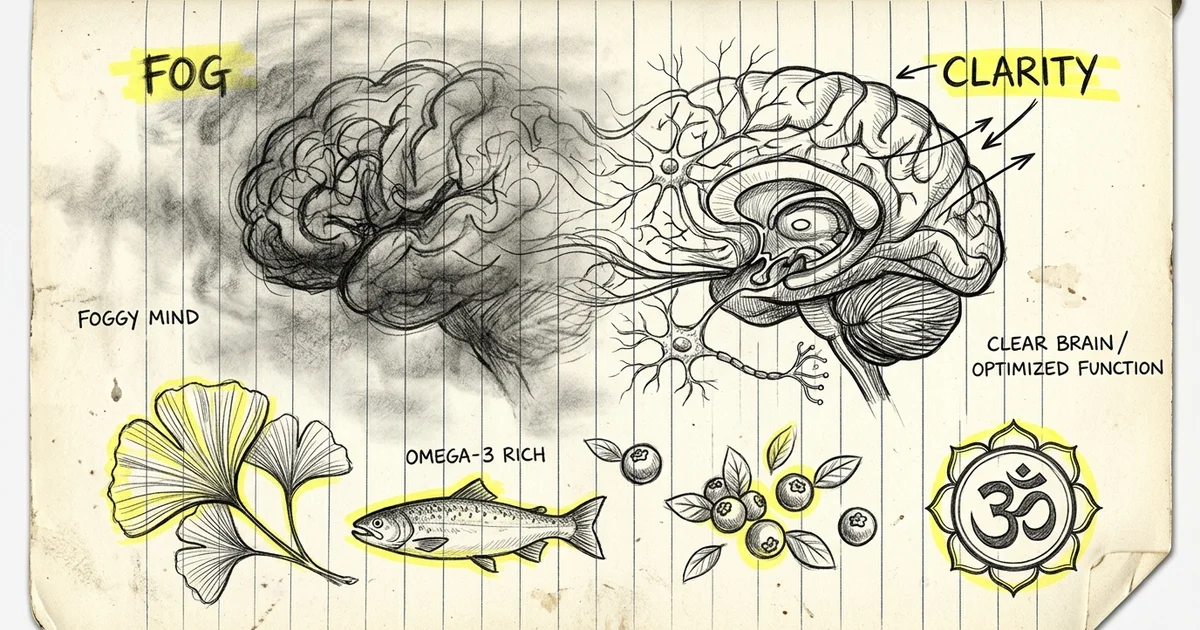
Cut Through the Fog
The attention challenges facing Gen Alpha aren't a mystery. They're the predictable result of developing brains meeting an environment optimized for distraction. The neurochemistry is clear: adenosine, dopamine, and GABA all play defined roles in whether you can focus or not. And the gen alpha attention span will only improve when we address these systems directly.
Roon was built around this science. Its sublingual pouch delivers a precise stack of caffeine (40mg), L-theanine, theacrine, and methylliberine, compounds that target the specific neurochemical pathways behind brain fog and scattered attention. No nicotine. No jitters. No crash. Just 4 to 6 hours of clean, sustained focus.
You can't redesign the internet. But you can give your brain better tools to operate inside it.
READY TO UNLOCK YOUR FOCUS?
Subscribe for exclusive discounts and more content like this delivered to your inbox.