FOCUS POUCHES: THE COMPLETE GUIDE TO COGNITIVE PERFORMANCE POUCHES
Roon Team
Focus Pouches: The Complete Guide to Cognitive Performance Pouches
You're staring at your screen. The cursor blinks. Your brain checked out twenty minutes ago, but the deadline didn't move. Coffee would help, except it's 2 PM and you already had three cups. Nicotine pouches crossed your mind once, but you know better than to start that particular habit.
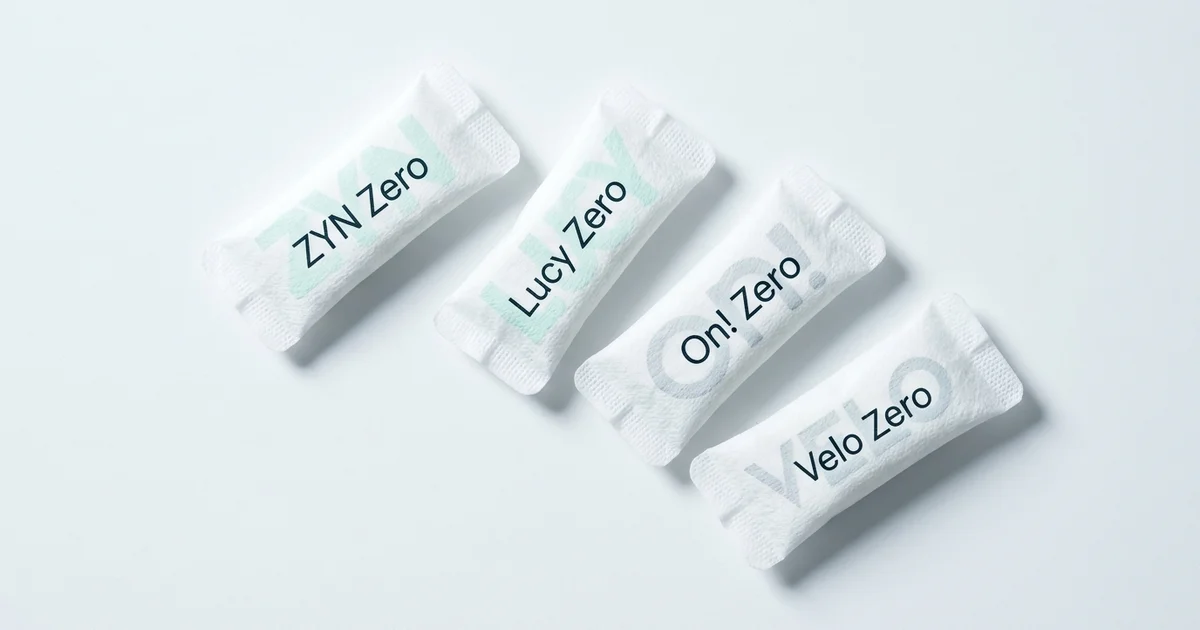
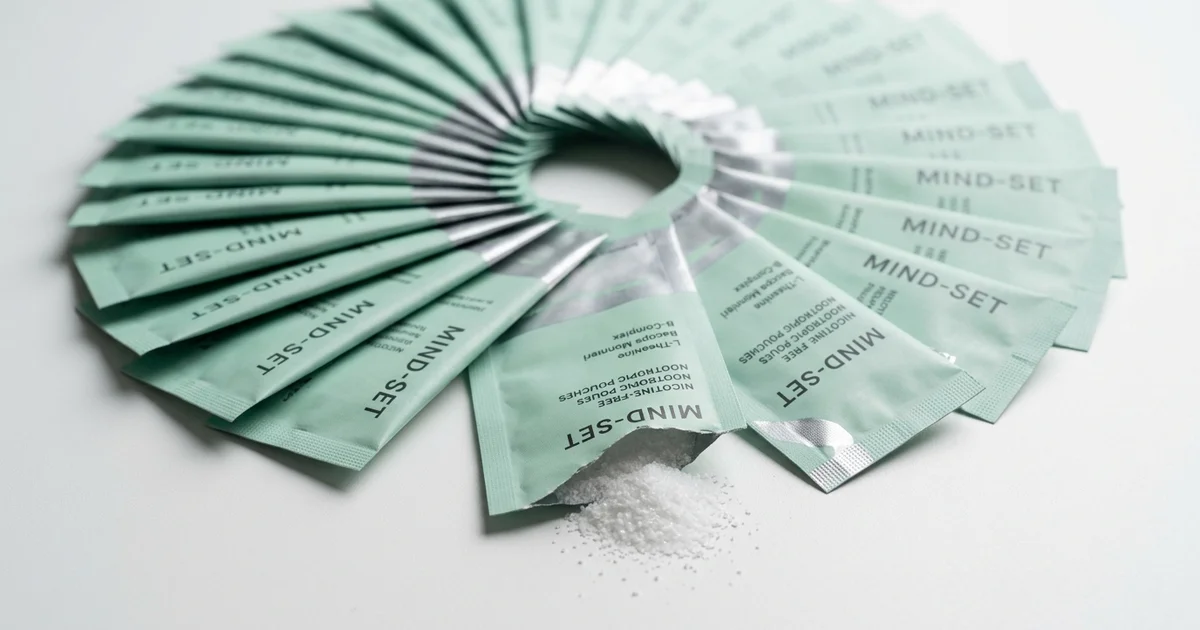
This is exactly the gap that focus pouches were designed to fill. They're sublingual pouches loaded with nootropic compounds instead of nicotine or tobacco, and they've quietly become one of the fastest-growing categories in cognitive performance.
This guide breaks down what focus pouches actually are, how they work, which brands are worth your money, and where the category still falls short.
Key Takeaways
- Focus pouches deliver nootropic ingredients sublingually, bypassing the digestive system for faster absorption than capsules or gummies.
- The category is still young, and ingredient quality varies wildly between brands.
- Most focus pouches rely on a single stimulant (caffeine or paraxanthine) without addressing tolerance, crash, or sustained duration.
- The best cognitive focus pouches combine multiple mechanisms of action, not just one stimulant dressed up with B vitamins.
What Are Focus Pouches and How Do They Work?
Focus pouches are small, pre-portioned pouches you place between your lip and gum. They contain nootropic ingredients, amino acids, or stimulants that absorb through the oral mucosa, the thin membrane lining the inside of your mouth.
This sublingual delivery method is the key differentiator. When you swallow a pill, the active ingredients pass through your stomach and liver before reaching your bloodstream. That process, called first-pass metabolism, can degrade or delay the effects of certain compounds. Sublingual absorption skips that step entirely.
The result: faster onset (typically 5 to 15 minutes), more predictable dosing, and higher bioavailability for many compounds. It's the same reason nitroglycerin tablets go under the tongue in cardiac emergencies, not into the stomach.
Who Uses Them?
The audience is broader than you'd expect. Focus pouches have gained traction with:
- Knowledge workers and programmers who need sustained concentration without jitters
- Students looking for cleaner alternatives to energy drinks or Adderall
- Athletes who want mental sharpness during competition without banned substances
- Former nicotine pouch users seeking the ritual and oral fixation without the addiction
The format is discreet, portable, and doesn't require water, a blender, or a barista. That convenience factor alone has driven adoption.
The Best Focus Pouches in 2025: An Honest Comparison
The nootropic pouch market has grown from a handful of brands to a legitimate category. Here are the most prominent players, with their actual ingredients and what they bring to the table.
Ultra Pouches
Ultra Pouches are crafted with ingredients like Enfinity (paraxanthine), L-Theanine, Panax Ginseng, and Alpha GPC. They also include Vitamin B6 and B12.
The standout ingredient is enfinity paraxanthine, a caffeine metabolite. Paraxanthine is the primary metabolite of caffeine. According to PricePlow's analysis, by consuming paraxanthine rather than caffeine, you avoid generating theobromine and theophylline altogether. That means potentially fewer sleep disruptions from late-afternoon use.
Ultra positions itself as both nicotine-free and caffeine-free, which appeals to people trying to quit both. The Ultra Pouches brand has built strong marketing around the paraxanthine angle.
Strengths: Clean stimulant (paraxanthine), caffeine-free, solid supporting ingredients like Alpha GPC. Weaknesses: No ingredients specifically targeting tolerance buildup or sustained duration beyond 1-2 hours. The brand's own site describes focus lasting approximately 1-2 hours, which is short for a full work session.
Dialed In Nootropics
Dialed In uses clinically supported ingredients like L-Theanine, Citicoline, and Tyrosine, and promotes cognitive performance and calm alertness.
Their approach is different from Ultra's. According to their product page, Dialed In Focus Pouches use a proprietary blend of nootropics that target catecholamine neurotransmitters. Rather than artificially spiking catecholamine activity the way stimulants do, their nootropics provide precursor compounds that support the brain's own production pathways.
They also make a nootropic gum with similar ingredients, including Theobromine, N-Acetyl L-Tyrosine, and Citicoline.
Strengths: Stimulant-free approach, strong nootropic stack with Citicoline and Tyrosine, available in both pouch and gum formats. Weaknesses: No stimulant at all means slower onset and subtler effects. The recommended usage of one pouch per hour suggests each individual pouch has limited duration. No caffeine or caffeine alternative for people who want tangible alertness.
Alpha Nootropics (Fully Loaded)
Alpha Nootropics comes from Fully Loaded, a brand that originally made chewing tobacco alternatives. Their pouches contain nootropic ingredients targeting focus and energy, aimed at the dip and chew demographic transitioning away from tobacco.
Strengths: Strong brand recognition in the tobacco-alternative space, familiar format for former dippers. Weaknesses: Limited transparency on specific ingredient dosages. The brand's heritage in tobacco alternatives means the nootropic formulation isn't the primary expertise.
Grinds Coffee Pouches
Grinds takes a simpler approach. Their pouches contain actual coffee grounds with caffeine as the primary active ingredient. Think of them as coffee in a pouch format.
Strengths: Straightforward caffeine delivery, familiar flavor profiles, affordable. Weaknesses: Caffeine-only formulation with no nootropic support. You get the same tolerance buildup, jitters, and crash cycle as regular coffee, just in a different form factor.
Xendurance Focus Pouches
Xendurance brings an athletic performance angle to the category. Their focus pouches are marketed toward athletes and active individuals looking for cognitive support during training and competition.
Strengths: Athletic-focused formulation, brand credibility in the sports supplement space. Weaknesses: Narrower target audience, less emphasis on the sustained cognitive performance that desk-bound professionals need.
Focus Pouch Comparison Table
| Brand | Stimulant | Key Nootropics | Nicotine-Free | Caffeine-Free | Duration (Claimed) |
|---|---|---|---|---|---|
| Ultra Pouches | Paraxanthine (enfinity) | L-Theanine, Alpha GPC, Ginseng | Yes | Yes | 1-2 hours |
| Dialed In | None | Citicoline, L-Tyrosine, L-Theanine | Yes | Yes | ~1 hour per pouch |
| Alpha (Fully Loaded) | Varies | Nootropic blend | Yes | Varies | Not specified |
| Grinds | Caffeine | None | Yes | No | ~1-2 hours |
| Xendurance | Caffeine | B Vitamins, adaptogens | Yes | No | Not specified |
What's Missing: The Gaps in Today's Concentration Pouches
After looking at the full category, a few patterns become clear. Most focus pouches share the same structural problems.
The Duration Problem
The biggest gap is sustained effect. Most pouches deliver 1-2 hours of noticeable focus. That's fine if you need a quick boost for a meeting, but it's useless for a four-hour deep work block or a full afternoon of studying. The solution isn't "just use more pouches." Redosing every hour defeats the purpose of a clean, controlled cognitive tool.
The Single-Mechanism Problem
Most brands rely on a single stimulant pathway. Ultra uses paraxanthine. Grinds uses caffeine. Dialed In skips stimulants entirely. None of them stack multiple stimulant-class compounds that work through different receptor systems to extend and smooth the effect curve.
In pharmacology, combining compounds with complementary mechanisms typically produces better results than increasing the dose of a single compound. This principle is well-established in nootropic research, yet most focus pouch brands ignore it.
The Tolerance Problem
Caffeine tolerance builds fast. Within a week of daily use, your adenosine receptors upregulate and you need more to get the same effect. Paraxanthine may have a slower tolerance curve than caffeine, but the long-term data is still limited. And stimulant-free pouches like Dialed In sidestep the problem by offering subtler effects that some users find too mild.
No brand in the current lineup specifically addresses tolerance with ingredients shown to mitigate it.
The Crash Problem
Caffeine-based pouches produce the same crash cycle as coffee. The effect rises sharply, peaks, and drops. Paraxanthine may produce a smoother curve, but the short duration still creates a noticeable "off" feeling when it wears off. A well-designed focus pouch should taper gradually, not cliff-dive.
How Roon Addresses These Gaps
Roon was built specifically around the problems outlined above. It's a zero-nicotine sublingual pouch, but the formulation takes a fundamentally different approach from other cognitive focus pouches on the market.
The active stack includes four compounds: Caffeine (40mg), L-Theanine, Theacrine, and Methylliberine. Here's why that combination matters.
Solving Duration with Stacked Half-Lives
Caffeine, Theacrine, and Methylliberine are all purine alkaloids, but they have different onset times and half-lives. Caffeine hits first and fastest. Methylliberine kicks in quickly but bridges into Theacrine's longer curve. Theacrine has a longer half-life and sustains the effect.
The result is 4-6 hours of sustained focus from a single pouch, not 1-2.
Solving the Crash with L-Theanine
L-Theanine promotes alpha brain wave activity, which is associated with calm, alert focus. Paired with a moderate 40mg dose of caffeine (roughly half a cup of coffee), it smooths out the stimulant curve. You get alertness without the jittery spike, and the decline is gradual rather than abrupt.
Solving Tolerance with Theacrine
Theacrine is structurally similar to caffeine but interacts with adenosine receptors differently. Research on Theacrine suggests it does not produce the same rapid tolerance buildup that caffeine does. This means the effect stays consistent with daily use, rather than fading after the first week.
Solving the Single-Mechanism Problem
By combining four compounds that work through overlapping but distinct pathways, Roon creates a broader neurochemical effect than any single-ingredient pouch can achieve. Caffeine blocks adenosine. L-Theanine modulates glutamate and GABA. Theacrine and Methylliberine act on dopamine and adenosine through different binding profiles.
This isn't about cramming more ingredients into a pouch for a longer label. It's about selecting compounds that genuinely complement each other.
The Bottom Line
The focus pouch category is real, and it's growing for good reason. Sublingual delivery is faster and more efficient than pills. The format is portable and discreet. And the demand for clean cognitive support without nicotine or prescription stimulants isn't going anywhere.
But most products in this space are still version 1.0: single-stimulant formulas with short duration and no answer for tolerance or crash.
If you're evaluating the best focus pouches for sustained cognitive work, look past the marketing and examine the stack. Ask how long the effect lasts, whether it addresses tolerance, and how many distinct mechanisms of action are at play.
Roon was designed around those exact questions. Four ingredients, three distinct mechanisms, 4-6 hours of clean focus, and no tolerance buildup. That's the standard the rest of the category will need to meet.
READY TO UNLOCK YOUR FOCUS?
Subscribe for exclusive discounts and more content like this delivered to your inbox.