WHAT IS THE BEST WAY TO QUIT VAPING? 4 METHODS THAT ACTUALLY WORK
Roon Team

What Is the Best Way to Quit Vaping? 4 Methods That Actually Work
You've tried to quit vaping before. Maybe you made it a day, maybe a week, maybe you white-knuckled through a whole month before a stressful afternoon pulled you right back. You're not alone. What is the best way to quit vaping? The honest answer: there's no single method that works for everyone, but the science is finally catching up with real strategies that stick.
A 2025 study published in the Cochrane Database of Systematic Reviews, co-led by researchers at the University of Oxford and UMass Amherst, is one of the first major reviews to focus specifically on quitting vaping rather than smoking. The findings point to a handful of approaches with genuine evidence behind them.
Here's what the data says, what actually helps, and how to build a quit plan that doesn't fall apart by Thursday.
Key Takeaways:
- Quitting vaping cold turkey has a high failure rate. Structured approaches work better.
- Prescription medications like varenicline show promise for adult vapers.
- Text-message-based programs are effective for younger vapers (ages 13 to 24).
- Replacing the physical habit, not just the nicotine, is one of the most overlooked parts of quitting.
Why Figuring Out What Is the Best Way to Quit Vaping Matters
Nicotine dependency from vaping isn't the same as cigarette addiction, but it can be just as stubborn. Modern vapes deliver nicotine faster and more efficiently than older devices, and many users don't realize how much they're actually consuming in a day.
According to a JAMA Network Open study analyzing data from over 115,000 US youths, the weighted prevalence of daily nicotine vaping among current vapers rose from 15% in 2020 to 29% in 2024. Even more telling: unsuccessful quit attempts among daily vapers climbed from 28% to 53% over the same period.
That's not a willpower problem. That's a dependency problem. And it requires a real strategy.
Nicotine withdrawal symptoms typically peak within the first 3 to 5 days after quitting, according to Drugs.com. Physical cravings tend to ease within a few weeks, but the psychological pull, the hand-to-mouth ritual, the sensory habit of inhaling something, can linger for months.
So if you want to list 4 suggestions to help someone quit vaping, here are four backed by evidence.
1. Talk to a Doctor About Prescription Medications
This one isn't glamorous, but it's got the strongest clinical signal so far.
The 2025 Cochrane review found that varenicline, a prescription medication originally developed for smoking cessation, showed potential effectiveness for adults trying to quit vaping. Varenicline works by binding to nicotine receptors in the brain, reducing both cravings and the rewarding effects of nicotine if you do slip up.
It's not a perfect solution. The researchers noted that the evidence is still "low certainty" due to the limited number of studies. But when exploring what is the best way to quit vaping pharmacologically, varenicline is the strongest option currently supported by data.
Nicotine replacement therapy (NRT), like patches and gums, was also assessed in the review. The evidence for NRT in vaping cessation is even less developed, but it remains a reasonable option to discuss with a healthcare provider, especially if you're tapering down gradually.
The bottom line: if you're a daily vaper struggling to quit on your own, a conversation with your doctor is the single highest-value step you can take.
2. Use a Text-Message or App-Based Quit Vaping Program
If the idea of a formal program sounds exhausting, this is the low-friction option that actually has data behind it.
The same Cochrane review from UMass Amherst and Oxford found that text-message-based support programs were effective for younger vapers aged 13 to 24. These programs send daily tips, coping strategies, and motivational prompts directly to your phone, meeting you where you already are.
The Truth Initiative's EX Program is one of the more established options. It's free, text-based, and designed specifically for people figuring out what is the best way to quit vaping.
Why does this work? Quitting is rarely one big decision. It's hundreds of small decisions throughout the day: at the gas station, during a break, after dinner. A well-timed text can interrupt the autopilot that leads you back to your vape.
What to Look For in a Quit Vaping Program
- Personalization: Does it adapt to your usage patterns and triggers?
- Frequency: Daily contact beats weekly check-ins for the first 30 days.
- Specificity: Programs designed for vaping (not just smoking) tend to address the right habits and cravings.
3. Build a Trigger Map and Replace the Routine
Most people focus entirely on the chemical side of nicotine addiction. That's only half the equation.
Vaping is deeply tied to behavioral triggers: stress, boredom, social situations, the transition between tasks, even the physical sensation of holding something and inhaling. If you remove the nicotine but leave the behavioral loop intact, your brain will keep searching for a way to complete the circuit.
Here's a practical framework:
Step 1: Identify your top 5 triggers. Write them down. Be specific. "Stress" is too vague. "The 10-minute window after a difficult meeting" is useful.
Step 2: Assign a replacement behavior to each trigger. This doesn't have to be complicated. A short walk, a piece of gum, a breathing exercise, even just holding a pen. The goal is to give your hands and mouth something to do.
Step 3: Track your success rate for the first two weeks. You don't need an app for this. A note on your phone works. The act of tracking itself creates accountability.
This approach draws on the same habit-loop science that behavioral psychologists have used for decades. The cue stays the same. The reward stays the same (a brief mental break). You're just swapping the routine in the middle. When people list 4 suggestions to help someone quit vaping, trigger mapping belongs on every version.
4. Replace the Pouch, Not Just the Chemical
Here's the part most quit guides skip entirely.
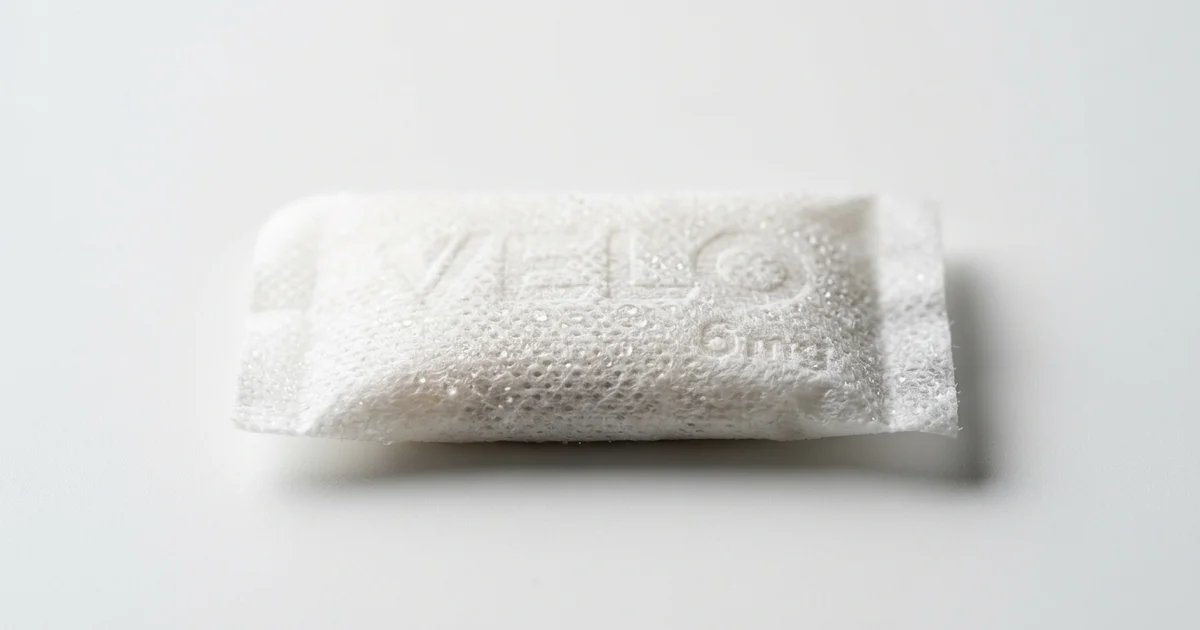
If you're using nicotine pouches or vaping, a huge part of the habit is physical and sensory. The feeling of something in your lip or the act of inhaling. Willpower alone doesn't address this because the craving isn't purely chemical. Your brain has wired a specific physical ritual to a dopamine response.
This is why so many people relapse even after the nicotine is out of their system. The withdrawal is over, but the habit loop is still firing. You reach for something out of routine, not out of chemical need. Understanding what is the best way to quit vaping means addressing this sensory dimension directly.
The most effective quit vaping strategies account for this by providing a physical substitute that satisfies the ritual without reinforcing the dependency. That could be sugar-free gum, toothpicks, or something more purpose-built.
So What Is the Best Way to Quit Vaping for Good?
The real answer is a combination. Use a pharmacological aid if your dependency is strong. Pair it with a behavioral program. Map your triggers. And find a physical replacement for the sensory habit.
No single method from this list works as well alone as two or three of them work together. The researchers behind the Cochrane review emphasized that this field is still young, but the direction is clear: structured, multi-pronged approaches beat willpower alone every time.
| Method | Best For | Evidence Level | Cost |
|---|---|---|---|
| Varenicline (prescription) | Daily adult vapers | Moderate (growing) | Varies with insurance |
| Text-message programs | Younger vapers (13-24) | Moderate | Free |
| Trigger mapping + habit replacement | All vapers | Well-established (behavioral science) | Free |
| Physical oral substitutes | Pouch/vape users with strong sensory habits | Anecdotal + behavioral science | Low |
Moving Forward Without Nicotine
Knowing what is the best way to quit vaping isn't about finding a single trick. It's about stacking the right tools for your specific pattern of use.
If part of what keeps you reaching for a vape or nicotine pouch is the ritual itself, that's worth addressing directly. Roon was designed for exactly this scenario: a zero-nicotine sublingual pouch with a performance-focused stack of caffeine, L-theanine, theacrine, and methylliberine. Same ritual, zero nicotine, actual cognitive benefits. Roon gives your brain something to work with (4 to 6 hours of sustained focus, no crash) while you break the dependency loop for good.
You don't need to quit the habit of reaching for something. You just need to make sure what you're reaching for is actually working for you.
READY TO UNLOCK YOUR FOCUS?
Subscribe for exclusive discounts and more content like this delivered to your inbox.